SAILOR


GEO internet has emerged as a transformative force in global communications, providing stable, far-reaching, and high-capacity satellite connectivity to regions beyond the reach of terrestrial infrastructure. Enabled by Geostationary Earth Orbit (GEO) satellites, GEO internet services are essential for delivering broadband access, television broadcasting, and critical communication links in remote and underserved areas. As our digital world becomes increasingly interconnected, understanding the fundamentals and advantages of GEO internet is more important than ever.
GEO internet refers to satellite-based internet services that utilise geostationary satellites orbiting approximately 35,786 km (22,236 miles) above the Earth's equator. These satellites maintain a fixed position relative to the Earth by matching the planet’s rotation, enabling continuous coverage of specific geographic areas. This unique orbital positioning is what makes GEO internet especially effective for consistent, long-term connectivity.
The strategic advantages stem from the satellite’s stable position and broad coverage area. Some of the key benefits include:
The deployment of a satellite involves launching it into a transfer orbit, then using onboard propulsion to achieve its final geostationary position. Once in place, the satellite uses thrusters to counteract natural forces—such as gravitational pulls and solar radiation—that can lead to orbital drift. The satellite then becomes a reliable platform for relaying data between users and terrestrial gateways, ensuring consistent delivery of internet and communication services.
GEO internet supports a variety of critical applications across multiple sectors:
While GEO internet provides expansive, continuous coverage, it is not the only satellite-based solution:
Because a geostationary satellite sits about 35,786 km above the equator, every signal has a long way to travel. A request goes from your terminal up to the satellite, down to a ground station, out to the internet and back the same way. That round trip typically adds around 600 milliseconds of latency, compared with roughly 20 to 50 milliseconds for low Earth orbit services.
For most business traffic this is workable. Email, file transfer, web browsing, telemetry and vessel reporting all run well over GEO. Latency is more noticeable for real-time uses such as video calls and remote desktop sessions.
Speed depends on the service plan, the frequency band and the antenna. Modern high-throughput satellites (HTS) use spot beams to reuse frequencies, delivering far more capacity than older wide-beam satellites.
GEO VSAT has been the backbone of maritime connectivity for decades. A stabilised antenna keeps the dish pointed at the satellite while the vessel moves, giving a steady link across ocean regions for operations, crew welfare and reporting. For fleet operators, see our maritime VSAT connectivity and GEO maritime connectivity solutions. For remote land sites, see VSAT connectivity for land and GEO connectivity for land.
Today GEO rarely works alone. Pairing it with low Earth orbit services such as Starlink and Eutelsat OneWeb gives low latency for interactive traffic, while GEO adds wide coverage and a dependable fallback. Our Link Box brings several connections together and routes traffic across them. For a deeper look at multi-orbit design on vessels, read our guide to resilient maritime satellite communications.
Not quite. VSAT (very small aperture terminal) describes the ground equipment: a small dish that communicates with a satellite. Most VSAT services use GEO satellites, so the terms often overlap.
Distance. GEO satellites orbit at about 35,786 km, while Starlink satellites orbit at around 550 km. The signal travels much further, which adds latency even when bandwidth is high.
Heavy rain can weaken the signal, mainly on Ka-band. L-band and Ku-band are more tolerant, and a hybrid setup can switch traffic to another link during a fade.
Coverage weakens at high latitudes because GEO satellites sit above the equator, and the dish has to point very low on the horizon. For polar routes, LEO networks such as Iridium are the usual choice. Our satellite telephony guide explains how Iridium covers the whole globe.
To gain deeper insights into GEO internet technology and its applications, consider these trusted sources:
At AST Networks, we are proud to specialise in advanced GEO solutions tailored to your operational needs. Our systems deliver high-performance connectivity where it’s needed most—whether for enterprise communications, broadcasting, or remote deployments. Contact us today to explore how our expertise in GEO satellite technology can support your digital transformation goals.
About AST Networks
AST Networks is a global leader in satellite communications, safety services, and intelligent maritime electronics solutions. From commercial shipping and offshore energy to defence and polar research, AST Networks delivers cutting-edge systems that keep vessels connected, secure, and compliant — wherever they are in the world.
For more information, interviews, or comment:
media@ast-networks.com
www.ast-networks.com
LinkedIn: @ASTNetworks

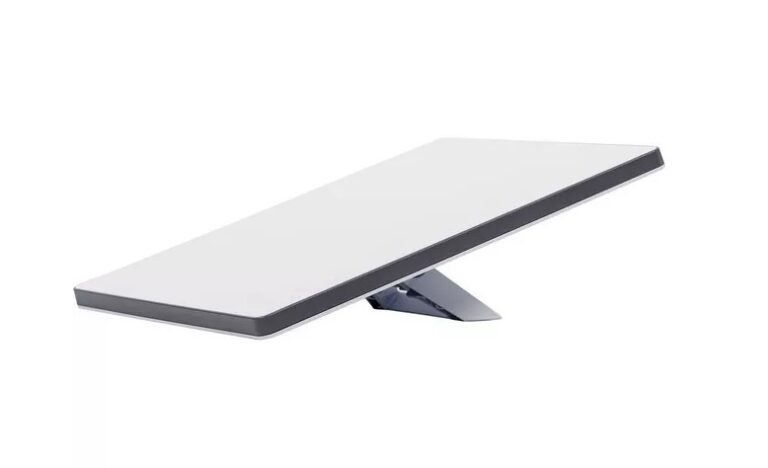
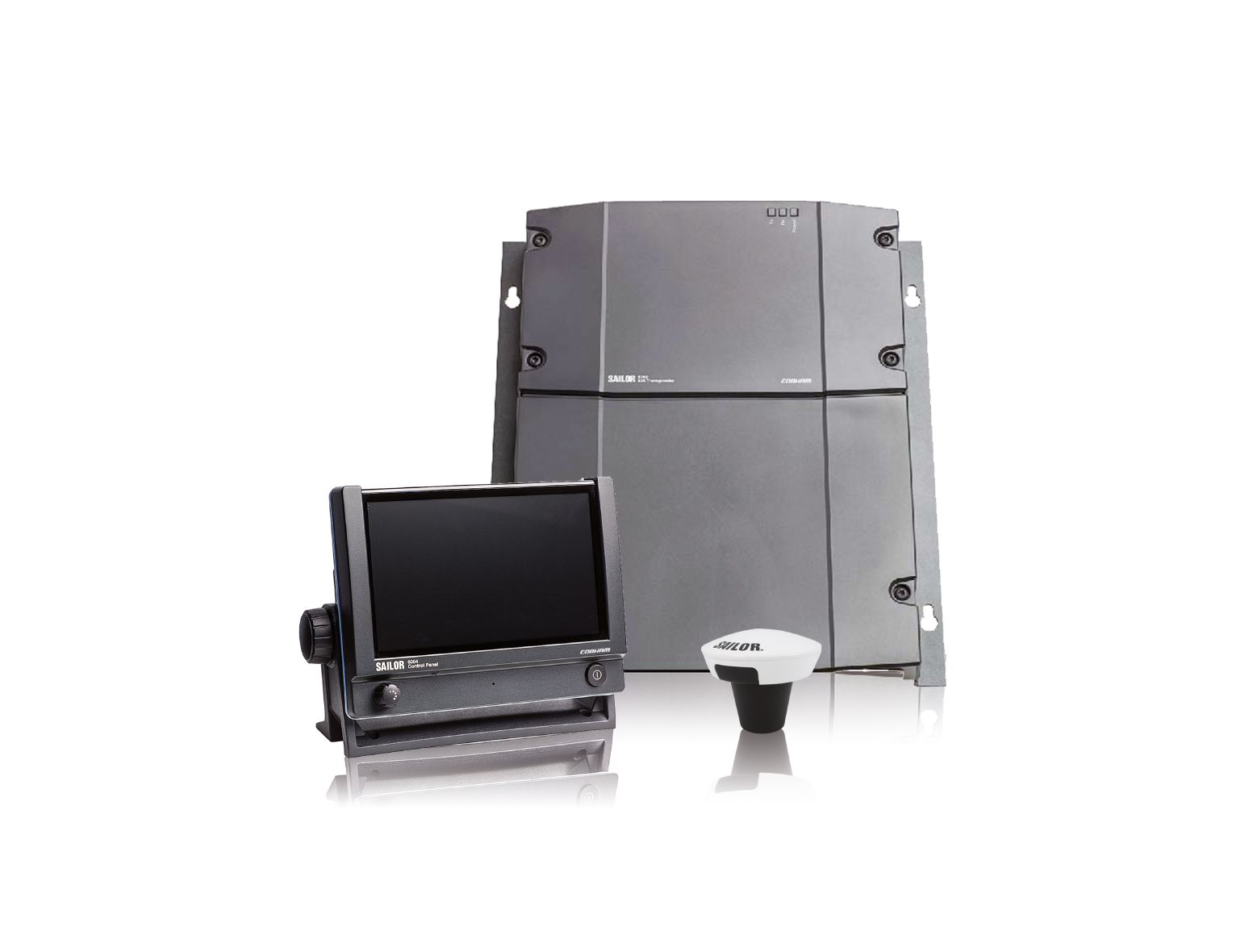
Equipment we supply for the connectivity covered above. Each product page has a downloadable product sheet.
Ask an expert
Whether you are comparing networks, choosing equipment or checking what your vessel needs, our team will give you a straight answer. We usually reply within one working day.