Thuraya

Mobile phones are excellent when there is network coverage – the problem comes when there is none. For people working offshore, at sea, in remote industrial locations, rural areas, or disaster zones, traditional mobile networks cannot always be relied on. This is where phones with satellite capabilities become important.
Unlike a normal mobile phone that relies on nearby cellular towers, phones with satellite connectivity communicate directly with satellite networks. This allows users to make calls and send messages from locations where there is little or no terrestrial network coverage.
The term phones with satellite can refer to two different types of devices.
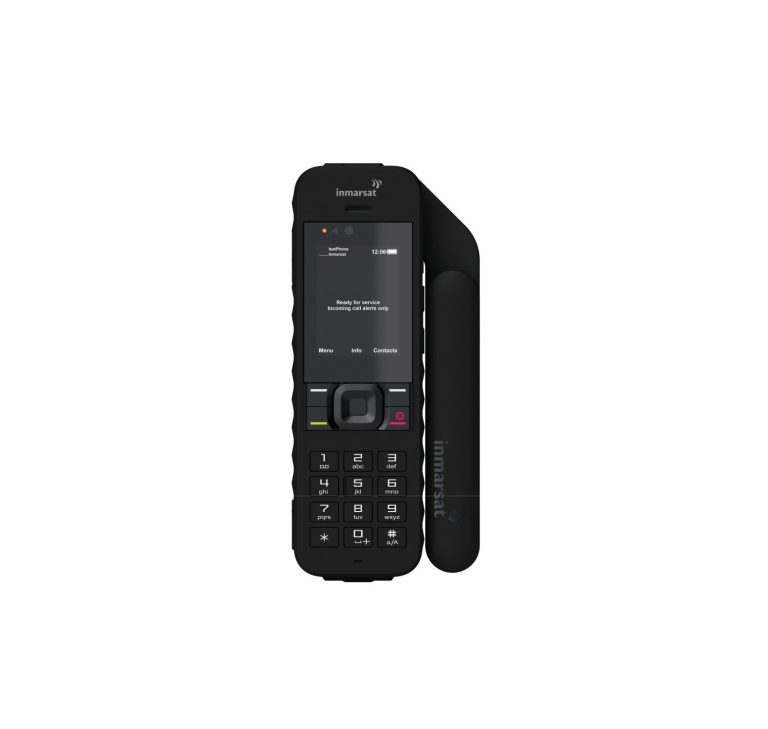
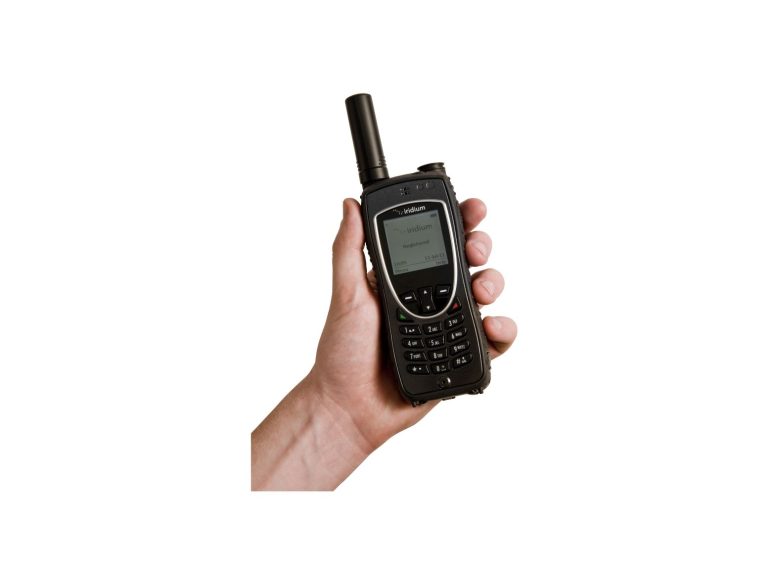
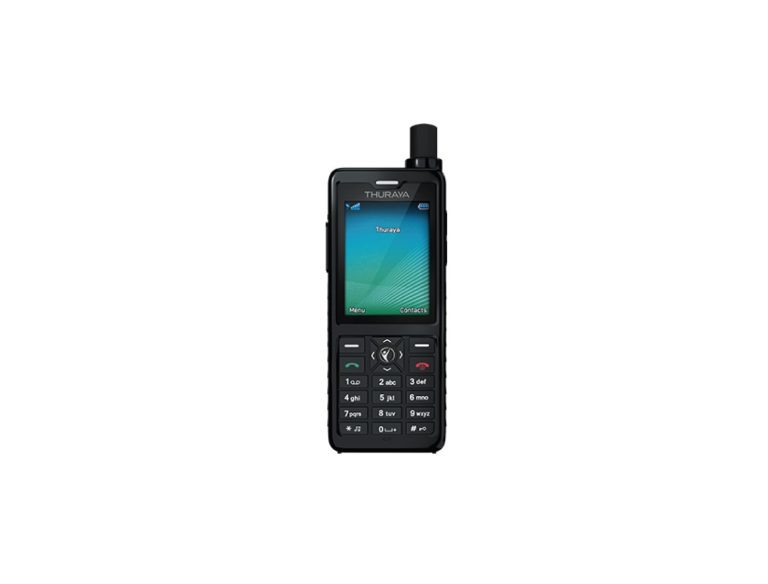
The first is a dedicate satellite phone. These devices are specifically designed to communicate over satellite networks and have been used for many years across maritime, energy, government, emergency response, and remote industrial sectors.
The second is a smartphone with satellite functionality. Several smartphone manufacturers now offer limited satellite connectivity, primarily for emergency messaging and location sharing when mobile coverage is unavailable.
While both technologies use satellites, they are designed for different purposes.
Recent smartphone developments have generated significant interest in phones with satellite capabilities. However, there are important differences between the services and dedicated satellite phones. Most satellite-enabled smartphones currently support:
Dedicated satellite phones typically provide:
For someone hiking in a remote area, a smartphone’s emergency satellite feature may be sufficient. For a vessel crossing the Atlantic, or a team operating a remote worksite, a dedicated satellite communications solution is usually the more appropriate choice.
Satellite communications are commonly used in locations where conventional mobile networks are unavailable or unreliable. Typical applications include:
In many of these environments, communications are not simply convenience, they are a requirement for operational efficiency and personnel safety.
Simply put – not always, no. Many organisations require more than voice communications, they also need internet access, vessel connectivity, crew welfare services, asset tracking, telemetry, or business-critical data services.
This is why satellite phones are often only one component of a wider communications strategy. Depending on the operational requirements, organisations may combine satellite phones with:
The right solution depends on the applications, location, bandwidth requirements, and operational priorities.
AST Networks supplies and supports a range of satellite communication solutions for organisations operating beyond the reach of conventional networks. This includes satellite voice, broadband, tracking, and remote connectivity services for customers across maritime, enterprise, government, emergency response, and industrial sectors.
Rather than adopting a one-size-fits all approach, we work with customers to identify the most suitable communication solution based on their operational requirements and the environments in which they operate.
Interest in phones with satellite functionality continues to grow, particularly as satellite technology becomes more accessible. However, it is important to understand the difference between smartphone’s emergency satellite feature and a dedicated satellite communications system.
For occasional emergency use, smartphone satellite services can provide an additional layer of resilience. For professional users working in remote or hostile environments, dedicated satellite communications often remain the most reliable option.
The key is choosing a solution that matches the operational requirement rather than assuming all satellite-enabled devices deliver the same level of capability.
To find out more about phones with satellite, and what’s best for you and your operations, contact us today.

To find out more about vessel motion monitoring and remote asset management visit AST Reygar.
Equipment we supply for the connectivity covered above. Each product page has a downloadable product sheet.
Ask an expert
Whether you are comparing networks, choosing equipment or checking what your vessel needs, our team will give you a straight answer. We usually reply within one working day.