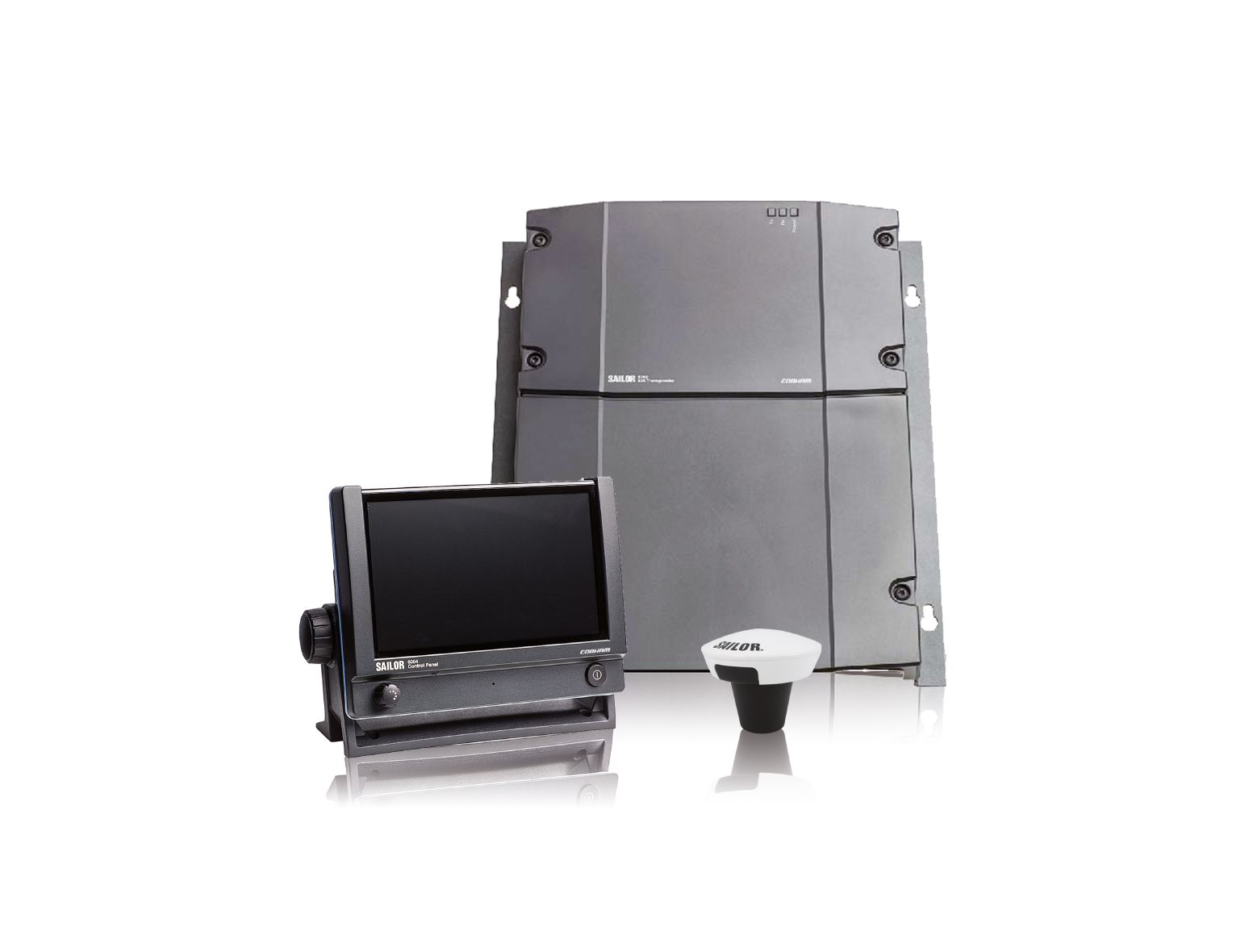
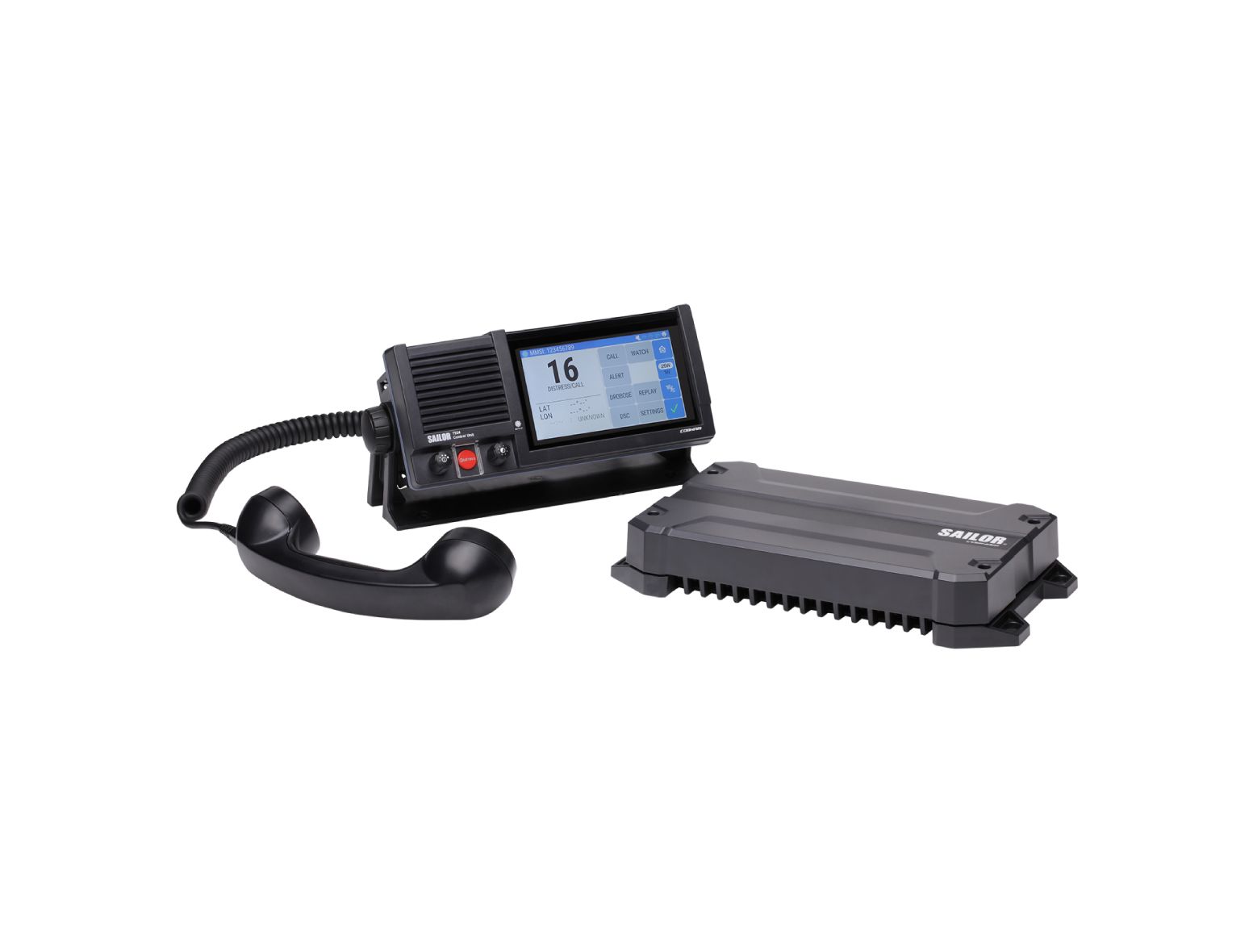
The maritime industry is undergoing a massive digital transformation. Modern technology is reshaping how vessels operate—making shipping safer, cleaner, and far more efficient.
From real-time data tracking to autonomous navigation, the future of shipping relies on smart electronics. In this article, we explain what a digital ship is and explore the key trends driving the industry forward.
A digital ship uses modern technology to streamline daily operations, boost safety, and cut environmental emissions. It connects key onboard systems to shore control centres using smart digital tools.
Core digital ship tools used on smart vessels include:
These connected tools allow shipowners to monitor fleet operations in real time. As a result, operators can make data-driven decisions, reduce fuel consumption, and meet global maritime regulations with ease.
Autonomous and semi-autonomous shipping technology is moving fast. Smart sensors, AI algorithms, and high-speed satellite links allow vessels to navigate safely with minimal human input.
Key automation technologies:
IoT sensors collect live data from critical machinery, including engines, fuel systems, and cargo hold conditions. This data is transmitted directly to shore-based control teams.
Benefits of real-time data:
As ships become more connected, they also become potential targets for cyber threats like hacking, ransomware, and malware. Protecting onboard networks is now vital for safe sea operations.
Key cybersecurity measures:
Digital ships require fast, reliable communications to operate smoothly. Modern satellite coverage and high-speed 5G networks bridge the gap between ship and shore.
Why reliable connectivity matters:
Stricter environmental regulations are driving fleet owners toward eco-friendly tech. Digital tools help vessels reduce carbon emissions and satisfy International Maritime Organisation (IMO) targets.
Green technologies include:
A "digital twin" is a virtual replica of a physical ship. By linking live sensor data with a digital twin, operators can run simulations without risking real-world operations.
How digital twins help operators:
Digitalisation is no longer optional for maritime companies. Embracing smart electronics ensures your fleet remains safe, compliant, and cost-effective in a fast-changing market.
As technology advances, future ships will become even more autonomous, connected, and eco-friendly.
At AST Networks, we help maritime businesses navigate digital transformation. We deliver cutting-edge solutions tailored to modern fleet operations, including:
Ready to modernise your fleet?
Contact the experts at AST Networks today to start your digital transformation.
Ask an expert
Whether you are comparing networks, choosing equipment or checking what your vessel needs, our team will give you a straight answer. We usually reply within one working day.