SAILOR

The ship’s bridge is the command centre of any vessel. It houses advanced tools that ensure safe, accurate, and efficient navigation.
Modern ships rely on integrated marine technology systems to:
Here are seven vital marine technology systems shaping modern ship bridges today.
An Integrated Bridge System (IBS) combines multiple navigation tools into a single screen interface. Instead of monitoring separate screens, officers can view all essential data in one place.
Key systems combined in an IBS:
Why this marine technology system matters: IBS reduces human error, automates routine tasks, and lightens the workload for bridge officers—especially on large cargo ships, cruise liners, and offshore support vessels.
Dynamic Positioning Systems (DPS) hold a ship in a fixed position without using anchors. This marine technology uses computer controls to adjust propellers and thrusters against wind, waves, and ocean currents.
Where DPS is essential:
By using GPS, motion sensors, and gyrocompasses, DPS keeps vessels steady even in rough seas.
AIS is an automated tracking system that broadcasts real-time ship data to nearby vessels and shore stations. It helps prevent collisions in crowded shipping lanes or during low visibility.
Information transmitted by AIS includes:
Under International Maritime Organisation (IMO) rules, AIS is mandatory for all large commercial ships.
Think of a Voyage Data Recorder (VDR) as the "black box" of a ship. It continuously records critical operational data during every journey.
What VDRs record:
If an incident occurs, investigators use VDR data to determine the cause and improve future maritime safety.
ECDIS has revolutionised maritime navigation by replacing traditional paper charts with interactive digital maps. It connects directly with GPS and radar to show live vessel positions and hazard warnings.
Main benefits of ECDIS:
BNWAS ensures that the duty officer remains alert at all times whilst at sea. The system requires the officer to press a reset button at set time intervals.
This mandatory safety measure prevents accidents caused by officer fatigue, distraction, or sudden illness.
Augmented Reality (AR) overlays digital navigation data directly onto a real-world camera view of the water. Bridge officers can see digital waypoints, hazard warnings, and nearby ships in real time.
How AR assists navigation:
As the maritime industry embraces digitalisation, automation, and artificial intelligence (AI), ship bridges will continue to evolve. Future systems will feature AI-driven analytics, stronger cloud connectivity, and smart monitoring systems.
Investing in modern marine technology ensures your fleet remains safe, efficient, and fully compliant with international standards.
Ready to upgrade your fleet's bridge technology?
Contact our marine technology experts today to learn more or click here to visit AST Reygar to learn more about our BareFLEET maritime software.
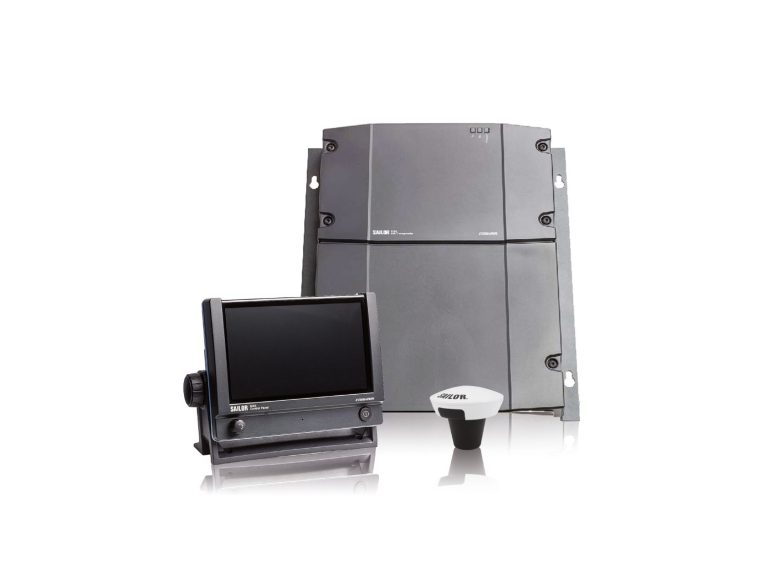
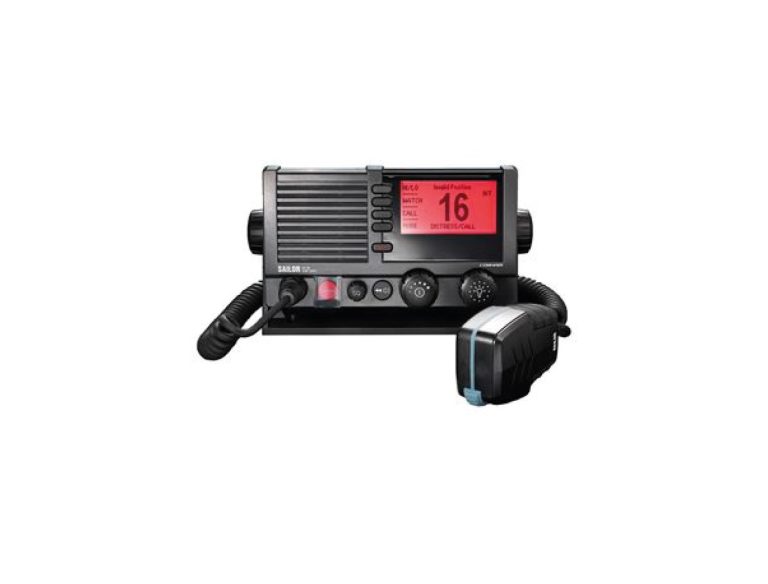
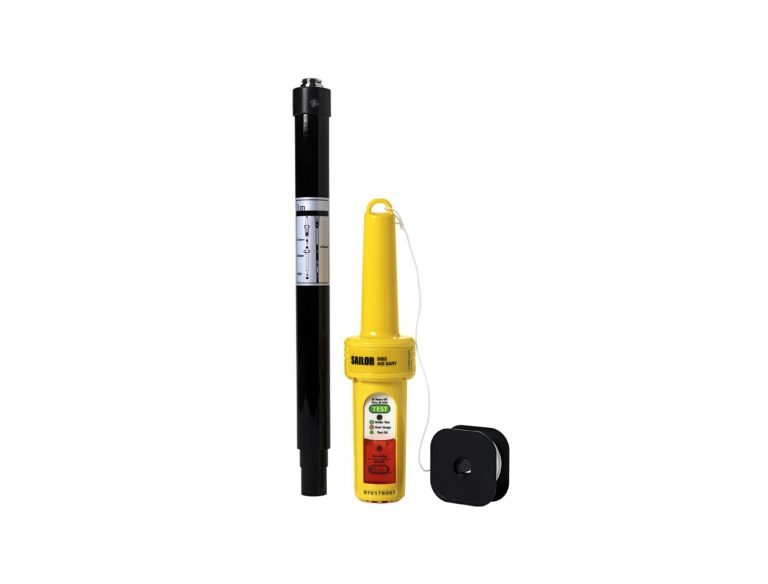
Equipment we supply for the connectivity covered above. Each product page has a downloadable product sheet.
Ask an expert
Whether you are comparing networks, choosing equipment or checking what your vessel needs, our team will give you a straight answer. We usually reply within one working day.