SAILOR

Maritime internet access is a necessity on vessels of all sizes. Whether you're piloting a yacht, managing a cargo vessel, or supporting offshore operations, reliable connectivity is essential for crew welfare, operational efficiency, cloud-based systems, and data-heavy IoT applications.
Vessels are increasingly adopting hybrid connectivity solutions to guarantee reliable maritime internet access, cost-effective communications, and enhanced performance across all sea routes. Through combining LEO satellite systems with GEO, VSAT services, and high-speed LTE/cellular coverage near coastlines, operators can provide crews and onboard systems with uninterrupted connectivity.
This hybrid model not only enhances the speed and quality of maritime internet access but also ensures redundancy, reducing the risk of downtime during critical operations. With the maritime industry now heavily dependent on cloud platforms, IoT devices, and real-time data sharing, hybrid solutions are quickly becoming the most effective way to deliver secure, high-performance maritime internet access while keeping costs under control.
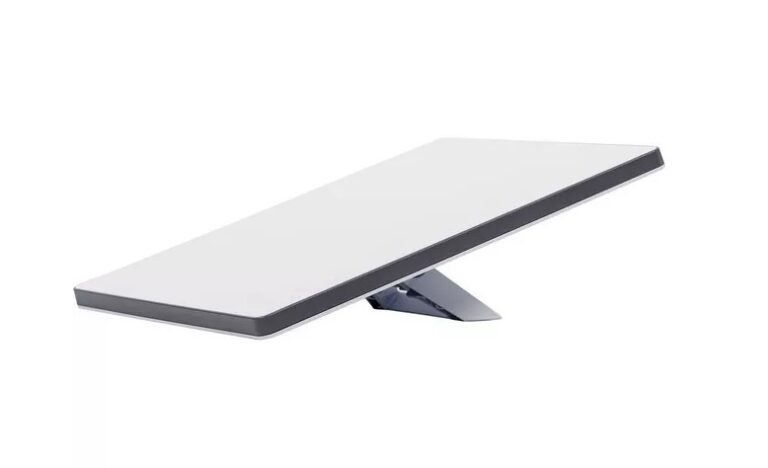
Services like Starlink Maritime, Eutelsat OneWeb and soon-to-launch Kuiper deliver high-bandwidth and lower-latency connectivity, even far offshore. These systems, alongside established provider Iridium, are fast becoming the backbone of maritime internet access.
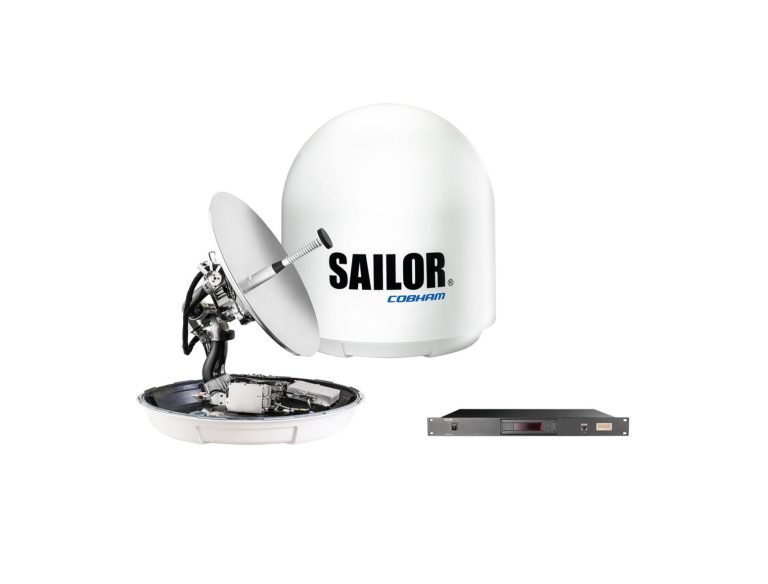
Traditional VSAT services using GEO/HTS satellites remain a robust option, especially for large commercial vessels.
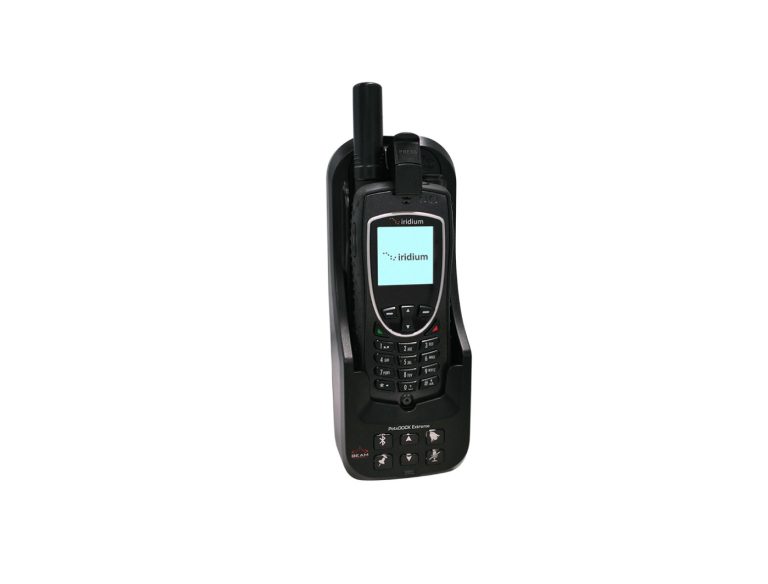
L-Band provides global coverage using small, portable, or dome-based terminals; ideal for secondary communications, backups, or low-bandwidth requirements.
Ports, like the Freeport of Riga, are pioneering private 5G networks, are using multihop linkages via ships and drones to maintain connectivity over 100 miles offshore, a major leap forward for maritime logistics and IoT communications.
*Stats are from the following report: Maritime Satellite Connectivity Market: The Current State of Play and Predictions for 2025 | Valour Consultancy
When evaluating the best solution for maritime internet access, it’s important to compare leading connectivity providers side by side. Every vessel has unique connectivity needs depending on its size, operations, and voyage routes. Choosing the right maritime internet access solution ensures not only reliable performance but also cost efficiency and safety at sea.
The table below provides guidance, matching vessel types with the most suitable connectivity options, from high-speed LEO satellite systems to resilient emergency backup solutions.
| Vessel Type | Primary Requirement | Recommended Access Type |
| Superyacht | High-speed, high-bandwidth. | Primary: LEO Satellite (e.g. Starlink Maritime, Eutelsat Oneweb etc.) Secondary: VSAT/HTS + L-Band +GMDSS system |
| Commercial shipping & cargo | Stable, global coverage with reliability and support. Cost-efficient bandwidth for crew welfare and high speed for vessel comms. Reliable backup. | Primary: LEO Satellite (e.g. Starlink Maritime, Eutelsat Oneweb, etc.) Secondary: VSAT/HTS + L-Band +GMDSS system |
| Coastal / Port Operations | Low latency, local high throughput. | Primary: LTE/Cellular/4G/5G Private 5G Networks. Secondary: Depending on distance from shore, these vessels may rely on VSAT/HTS for guaranteed connectivity. |
Depending on the location, crew requirements, and seasonal use, this is subject to personal circumstances.
The future of maritime internet access will be defined by faster, smarter, and more secure global connections. Expanding 5G coverage is expected to reach beyond ports, giving vessels seamless internet access during inland sea transitions and supporting advanced vessel-to-vessel communications.
The rise of AI and IoT in maritime operations will further enhance predictive maintenance, real-time monitoring, and smarter fleet management powered by reliable connectivity. At the same time, growing concerns over the vulnerability of submarine cables are driving investments in undersea cable security, ensuring the resilience of the global data backbone that supports critical maritime communications.
To stay ahead, vessel operators should begin planning for hybrid, future-ready solutions that combine multiple connectivity services such as LEO, VSAT, and 5G to ensure uninterrupted access wherever they sail.

Equipment we supply for the connectivity covered above. Each product page has a downloadable product sheet.
Ask an expert
Whether you are comparing networks, choosing equipment or checking what your vessel needs, our team will give you a straight answer. We usually reply within one working day.