Intellian

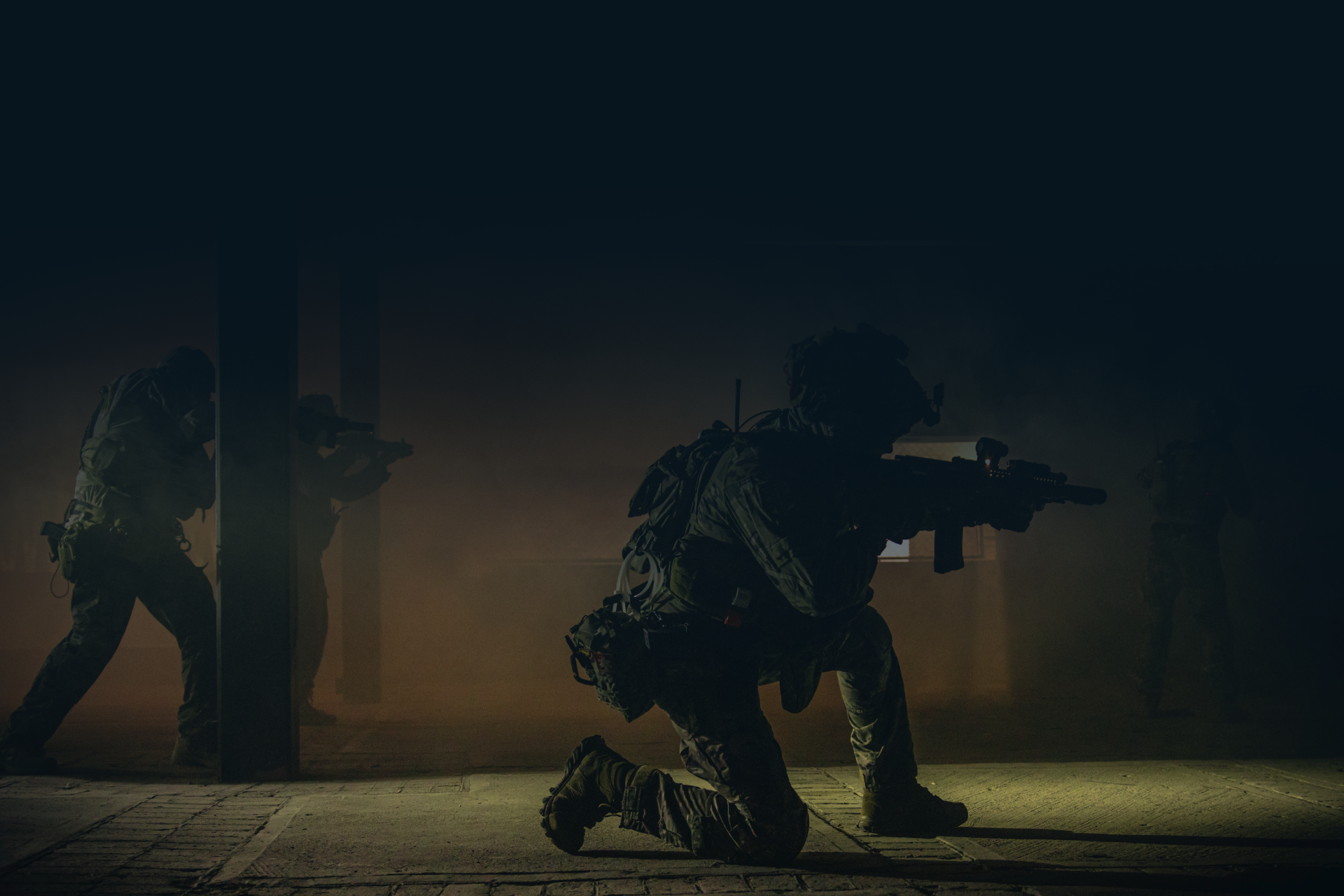
MIL-STD 810H is one of the most recognised military testing standards in the world, providing confidence that equipment can withstand the harsh environmental conditions encountered during defence and mission-critical operations.
Whether you’re selecting satellite communications equipment, networking hardware, or tactical devices, understanding what MIL-STD 810H means can help you make informed procurement decisions.
In environments where communications can mean the difference between mission success and failure, reliability isn’t optional. Equipment must continue performing under extreme temperatures, shock, dust, humidity, and other challenging conditions. That’s exactly where MIL-STD 810H comes into play.

MIL-STD 810H is a United States military standard that establishes environmental engineering considerations and laboratory test methods for equipment. Rather than certifying a product for a single specification, it provides a framework for testing equipment against the environmental stresses it is expected to encounter throughout its operational life.
The standard covers a wide range of conditions, including:
The objective of MIL-STD 810H is to ensure equipment remains functional in real-world environments rather than simply performing well in controlled laboratory conditions.
Military and government personnel often operate in unpredictable environments where traditional infrastructure is unavailable or compromised. Communications equipment may be transported over rough terrain, deployed in desert conditions, exposed to heavy rainfall, or subjected to repeated handling during rapid deployment.
Choosing equipment designed to meet MIL-STD 810H requirements helps reduce the risk of equipment failure when reliability matters most. While no testing programme can replicate every possible operational scenario, adherence to these rigorous environmental test methods demonstrates that manufacturers have considered durability as a core design principle.
For organisations investing in satellite communications, this translates into greater operational resilience, reduced downtime, and improved confidence in the field.

The demand for lightweight, portable satellite communications has grown significantly as defence and government agencies require high-speed connectivity in remote and contested environments.
Modern manpack terminals are designed to provide resilient communications without relying on fixed infrastructure. However, portability alone is not enough – the equipment must also survive the conditions in which it will be used.
This is where products like the Intellian Manpack (from Intellian Tech) demonstrate their value. Designed for government and defence applications, the terminal combines ultra-portable satellite connectivity with a rugged construction that is designed to comply with MIL-STD 810H shock, vibration, drop, and environmental requirements, alongside an IP67-rated enclosure for protection against dust and water ingress. It is also compact enough to fit within a standard military rucksack while delivering low-latency connectivity over the OneWeb LEO network.
For operators who need communications-on-the-pause, or communications-on-the-move, this combination of portability and durability is essential.
When evaluating satellite communications solutions for defence, emergency response, or government operations, reliability should be considered alongside bandwidth, portability, and ease of deployment.
Questions worth asking include:
Equipment designed around MIL-STD 810H principles helps answer many of these concerns by focusing on environmental resilience from the outset.
MIL-STD 810H reflects a commitment to designing equipment capable of operating in demanding real-world environments. For defence and government users, where communications are mission critical, selecting technology that has been engineered with these environmental considerations in mind can significantly improve operational confidence.
As portable satellite communications continue to evolve, rugged solutions such as the Intellian Manpack demonstrate how advanced connectivity and environmental durability can work together, helping organisations stay connected wherever their mission takes them.
Equipment we supply for the connectivity covered above. Each product page has a downloadable product sheet.
Ask an expert
Whether you are comparing networks, choosing equipment or checking what your vessel needs, our team will give you a straight answer. We usually reply within one working day.