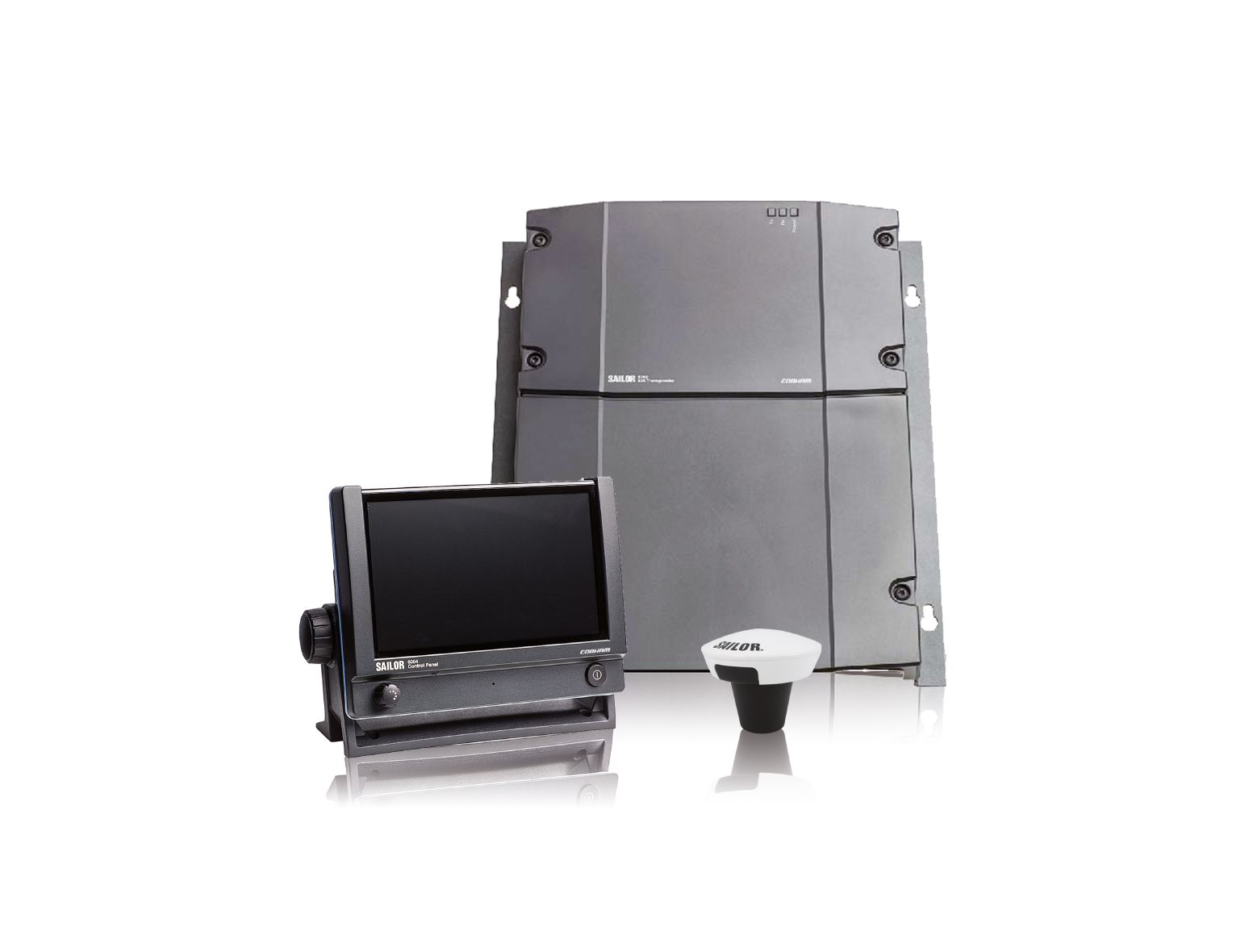
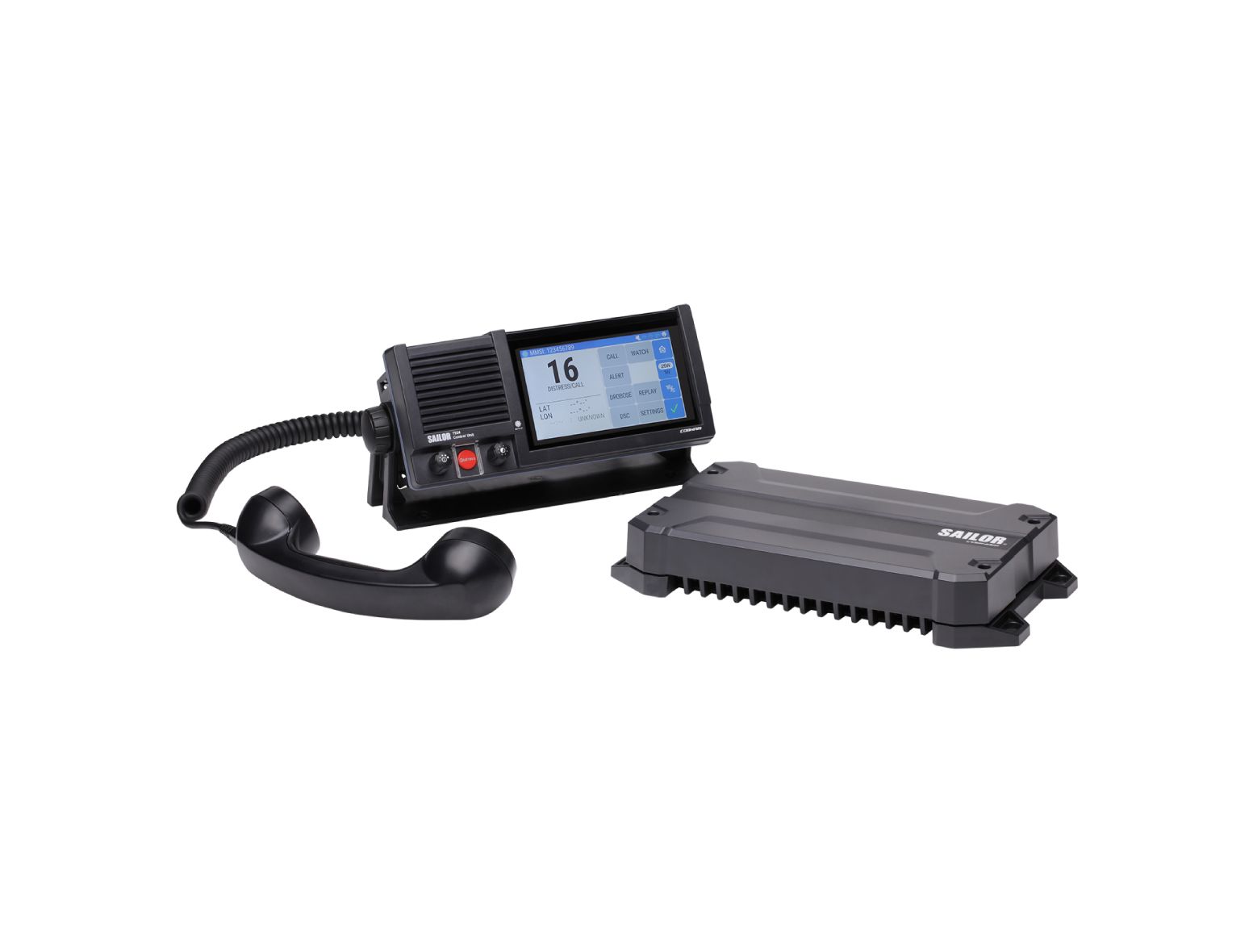
An EPIRB (Emergency Position Indicating Radio Beacon) is the last line of defence when a vessel is in serious trouble. When it activates, it sends a distress alert through the international Cospas-Sarsat satellite system, so search and rescue services know who you are and where you are, even if no one on board can make a call. This guide explains how they work, the types available, the rules for commercial vessels, and the testing and servicing they need.
An EPIRB transmits on 406 MHz to the Cospas-Sarsat satellites. Each beacon has a unique 15-character identity, linked to a registration record with the vessel's name, call sign, MMSI and emergency contacts. Most have a built-in GNSS receiver, so the alert includes an accurate position within minutes.
EPIRBs also transmit a low-power 121.5 MHz signal that rescue aircraft and lifeboats use to home in on the beacon. Many newer models add an AIS locating signal, so vessels nearby see the beacon on their AIS display and chart plotter.
These devices are often confused, but each does a different job in an emergency.
| Device | What it does | Who receives it |
|---|---|---|
| EPIRB | Sends a distress alert and position via satellite | Search and rescue services worldwide |
| PLB | Sends a personal distress alert and position via satellite | Search and rescue services worldwide |
| AIS SART | Shows survivors' position on nearby vessels' AIS displays | Ships and aircraft in the area |
| Radar SART | Shows survivors' position on nearby vessels' X-band radar | Ships and aircraft in the area |
An EPIRB tells the world you need help. A SART helps the rescuers who arrive find you. The SAILOR 5052 AIS SART is a manual-deployment AIS SART for liferafts and survival craft, meets IMO SOLAS requirements and transmits for 48 hours.
Under the GMDSS, SOLAS ships must carry a float-free 406 MHz satellite EPIRB, along with SARTs and VHF radios for survival craft. Requirements for smaller, non-SOLAS vessels depend on their size, use and flag. In the UK, the MCA sets these out for non-SOLAS vessels in MGN 673. Our introduction to the GMDSS and guide to the four GMDSS sea areas explain the wider rules.
Every 406 MHz beacon must be registered with the authority for the vessel's flag. For UK-flagged vessels and UK-owned PLBs, that is the UK Beacon Registry, run by the Maritime and Coastguard Agency. Registration is free and is what turns an anonymous signal into a named vessel with emergency contacts. Update it whenever the vessel's details, owner or contacts change.
AST Networks is a certified provider of maritime radio surveys, which test EPIRBs, SARTs, VHF, MF/HF and satellite equipment. Read more about why radio surveys matter for compliance.
EPIRBs are designed to transmit for at least 48 hours once activated. Check the manufacturer's figure for the model you choose.
Switch the beacon off and contact the coastguard straight away to cancel the alert. Reporting it quickly stops rescue services launching a search.
In the UK, an EPIRB is covered by the vessel's Ship Radio Licence and must also be registered with the UK Beacon Registry.
A satellite phone lets you talk to people, but someone has to make the call. An EPIRB sends an automatic distress alert to rescue services and keeps transmitting your position. Most vessels working offshore carry both. See our satellite phone buying guide.
AST Networks supports commercial fleets with GMDSS equipment, radio surveys and 24/7 support. Talk to us about your vessel's safety equipment, or call +44 (0)1493 441 485. See also our marine VHF radio buying guide and maritime safety and GMDSS solutions.
Ask an expert
Whether you are comparing networks, choosing equipment or checking what your vessel needs, our team will give you a straight answer. We usually reply within one working day.