AST Networks logo
CONTACT US

AIS Transponder Guide: Class A vs Class B, Rules and Equipment

SAILOR 6280/6281 AIS System

Blog

An AIS transponder broadcasts your vessel's identity, position, course and speed to every ship and shore station in range, and shows you theirs. It is one of the most effective tools for avoiding collisions, and for many commercial vessels it is a legal requirement. This AIS transponder guide explains how AIS works, the difference between Class A and Class B, who has to carry it, and how to choose the right system.

How AIS Works

AIS (Automatic Identification System) uses two dedicated VHF channels to exchange short digital messages between vessels, shore stations and satellites. A transponder sends three kinds of information:

  • Static data: the vessel's name, MMSI, IMO number, call sign, type and dimensions.
  • Dynamic data: position, course, speed and heading, taken from the vessel's GNSS and sensors.
  • Voyage data: destination, estimated time of arrival, draught and navigational status.

Other vessels see your AIS target on their chart plotter, ECDIS or radar, and coast stations use it for traffic monitoring. Satellite AIS extends this beyond the range of shore stations, so fleet managers can track vessels across oceans.

Class A or Class B?

Class AClass B
Designed forSOLAS ships and vessels that must carry AISSmaller commercial and leisure vessels
Transmit powerHigher, for longer rangeLower
Reporting rateMore frequent, especially at speedLess frequent
Voyage dataYesLimited
DisplayDedicated control and display unitUsually shown on a chart plotter

Class A is the full professional standard. Class B is a lower-cost option for vessels that are not required to fit Class A but want to be seen by others.

Who Must Carry AIS?

  • SOLAS ships: under SOLAS Chapter V, passenger ships of any size and other ships of 300 gross tonnage or more on international voyages must carry Class A AIS, as must cargo ships of 500 gross tonnage or more on domestic voyages.
  • Fishing vessels: in UK and EU waters, fishing vessels over 15 metres must carry AIS.
  • Domestic passenger vessels: passenger ships on domestic voyages generally need AIS too, with some exemptions for small vessels.

If you are unsure what applies to your vessel, check with your flag state or classification society, or ask our team.
AIS Transponders and Equipment from AST Networks

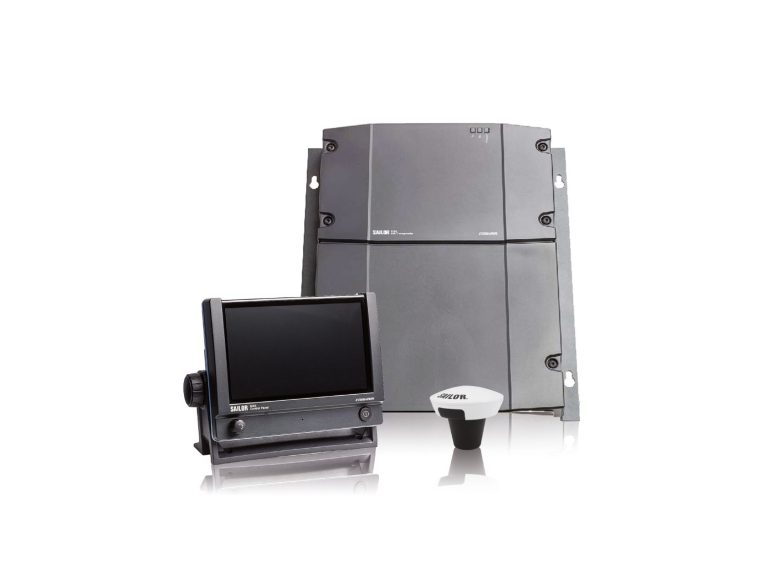
  • Class A transponder: the SAILOR 6280/6281 AIS System uses a "black box" transponder that can be installed wherever it suits, connected over the network to the SAILOR 6004 touch control panel on the bridge.
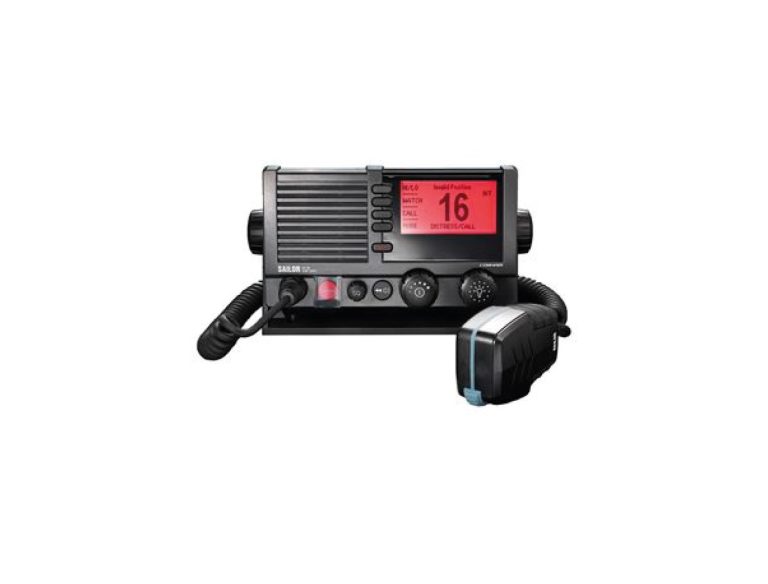
  • VHF with AIS receiver: the SAILOR 6217 combines a professional VHF radio with AIS receive, so workboats and fishing vessels can see the traffic around them.
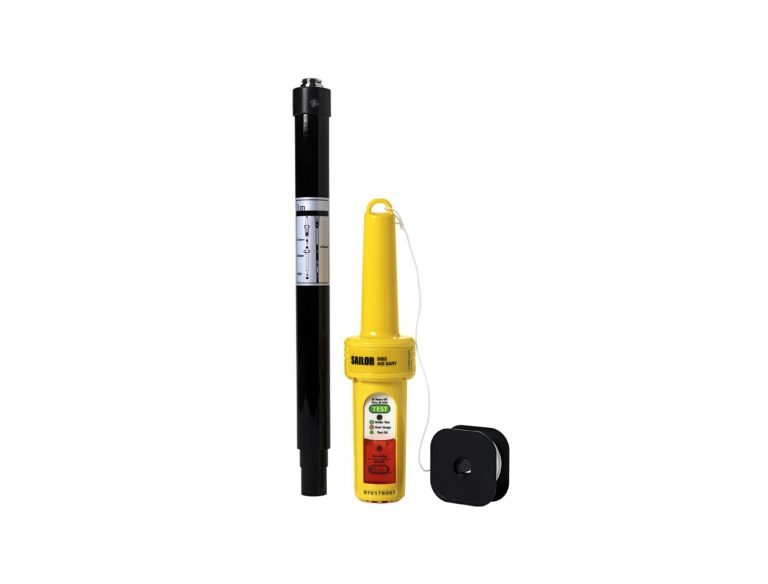
  • AIS SART: the SAILOR 5052 AIS SART is a survivor locator for liferafts and survival craft. When activated, it shows on the AIS displays of nearby vessels.

AIS in an Emergency

AIS is not only for navigation. AIS SARTs mark the position of survivors, and many modern EPIRBs include an AIS locating signal so nearby vessels can see the beacon directly. Read our EPIRB guide for more on distress beacons.

Installation Tips for AIS Transponders

  • Antennas: AIS needs a VHF antenna and a GNSS antenna. Keep the AIS antenna clear of other VHF antennas to avoid interference.
  • Programming: a Class A AIS transponders must be programmed with the correct MMSI and vessel details at installation.
  • Integration: connect AIS to the chart plotter, ECDIS or radar so targets appear where the crew are already looking.
  • Surveys: AIS is checked as part of annual radio and safety surveys. See our maritime radio surveys.

AIS Transponders: Frequently Asked Questions

What is the difference between an AIS receiver and an AIS transponder?

A receiver only shows you other vessels. An AIS transponder also transmits your own position, so others can see you.

Does AIS replace radar?

No. AIS only shows vessels that transmit it. Radar shows everything that reflects a signal, including small craft without AIS. The two work best together.

Can I switch AIS off?

Vessels required to carry AIS should keep it on at all times, except where the master judges that transmitting would put the vessel at risk, such as in areas with a piracy threat.

Get Expert Advice

AST Networks supplies, installs and supports AIS, VHF and GMDSS equipment for commercial fleets, with a 24/7 support team. Talk to us, or call +44 (0)1493 441 485. See also our marine VHF radio buying guide.

Ask an expert

Have a question? Ask our team

Whether you are comparing networks, choosing equipment or checking what your vessel needs, our team will give you a straight answer. We usually reply within one working day.

Ask an Expert (blog posts)
Marketing

We will only use your details to answer your question and, if you tick the box, to send occasional updates. See our privacy policy.

Related insights
Contact our Regional Offices
The AST Networks Advantage:
Gear Icon
Dedicated
Account Manager
Spanner Icon
24 / 7
Support Service
Hand Icon
Custom
Business Solutions
Email Subscribe
Copyright © 2025 AST Networks Registered in England Company No: 2153172, VAT No: GB 720 1086 83
CHAT WITH SUPPORT
linkedin facebook pinterest youtube rss twitter instagram facebook-blank rss-blank linkedin-blank pinterest youtube twitter instagram