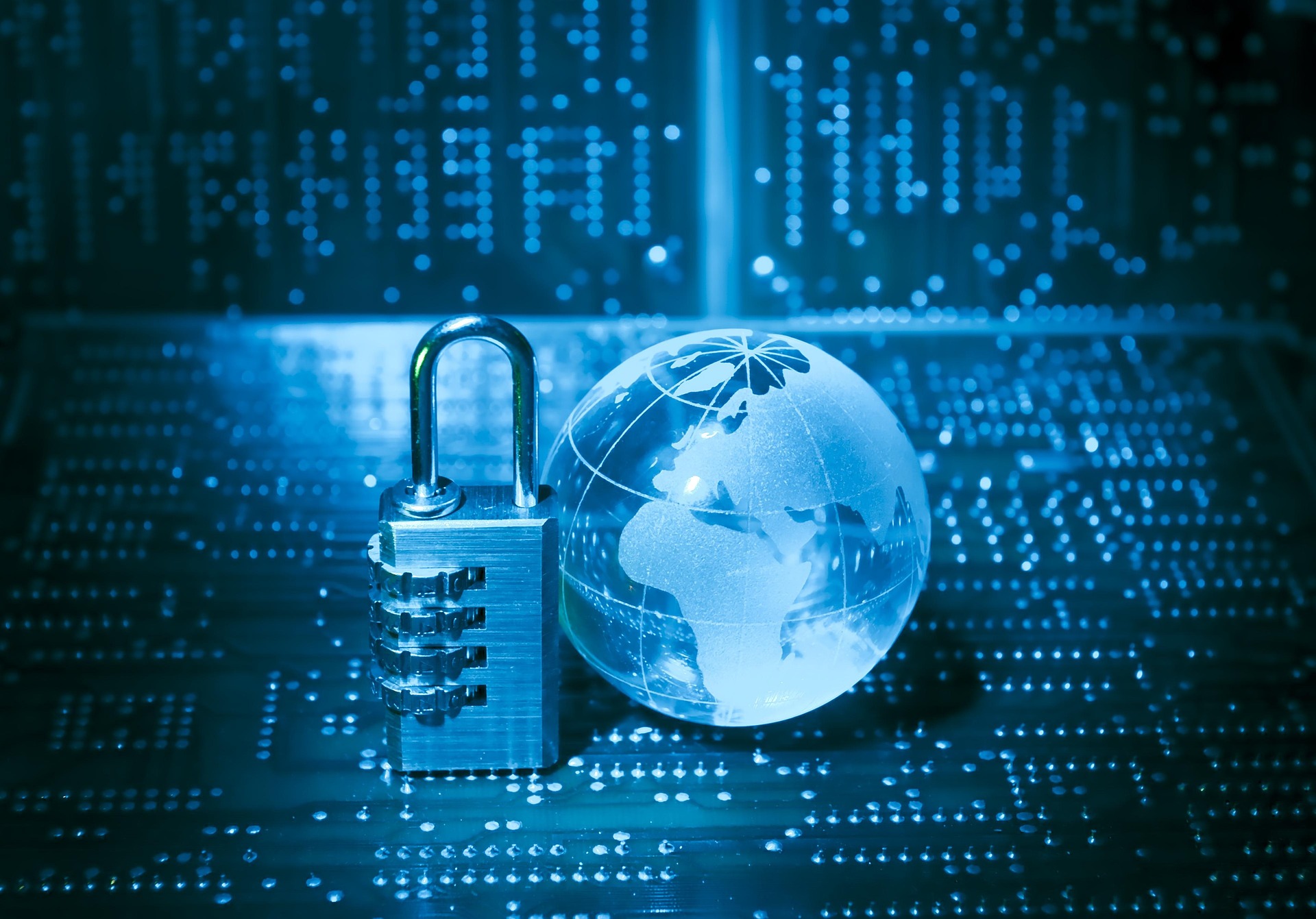
The importance of cybersecurity.
The global PHP security crisis is a stark reminder that the technology businesses rely on every day can become a significant vulnerability if it is not properly maintained and protected.
Websites belonging to government departments, public services, and other organisations across the world have been taken offline this week following the discovery of two critical security vulnerabilities affecting PHP - one of the most widely used programming languages on the internet.
The response has been swift, with emergency security updates released and organisations urged to act immediately. For those unable to secure their systems quickly enough, taking websites offline has become a necessary precaution. But beyond the immediate disruption lies a much bigger issue: how prepared are businesses for a cybersecurity threat that affects the very foundations of their digital infrastructure?
PHP operates behind the scenes of millions of websites, helping them process requests, manage data and deliver dynamic content, it also underpins popular platforms such as WordPress, making the latest vulnerabilities a concern for a vast proportion of the internet.
The two newly disclosed flaws, rated 9.2 out of 10 in severity, could allow an attacker to execute malicious code on an affected server without authentication. In practical terms, this creates the potential for unauthorised access to systems, data theft, website manipulation and further compromise of the underlying infrastructure.
The scale of this cybersecurity threat has prompted authorities to recommend immediate updates, with temporary shutdowns considered where systems cannot be secured in time. Taking a website offline doesn't mean it has been hacked, in many cases it is a deliberate decision to reduce exposure whilst cybersecurity teams address the potential risk.
That distinction matters because proactive action can prevent a vulnerability from becoming a serious incident.
It would be easy to view this as an isolated technical issue, but it's not. The incident highlights a fundamental challenge facing organisations of every size. Digital infrastructure requires continuous attention, maintenance and investment to remain secure. Websites, applications, servers, and connected systems are not products that can simply be installed and forgotten - they depend on underlying software that evolves, receives security updates, and occasionally exposes weaknesses that demand urgent action.
When technical updates are delayed, unsupported software remains in use, or nobody has clear responsibility for maintaining systems, organisations can be leaved exposed. The risk is particularly significant where businesses rely on third-party platforms, hosting providers, or legacy systems without fully understanding who is responsible for keeping every component secure.
A website might appear to be working perfectly while its underlying infrastructure remains vulnerable, and when a critical flaw is discovered, the difference between a contained issue and a major incident can come down to how quickly an organisation can identify affected systems and respond.
Cybersecurity is often discussed as firewalls, software patches, passwords, and technical controls - whilst these are essential, they are only part of the picture. The real concern is what happens to a business when its technology can no longer be trusted or relied upon.
A compromised website can damage customer confidence, expose sensitive information, and disrupt services that customers depend on. A precautionary website shutdown can also interrupt enquiries, sales, customer support and day-to-day operations - shutting down a website to avoid potential security breaches is never ideal, but it is sometimes necessary.
For companies whose services depend on digital connectivity, the consequences can extend far beyond a single website being compromised - disruption to one system can affect other connected services, creating operational challenges and additional recovery costs.
There is also the longer-term impact on reputation to consider, customers expect their information to be protected. Restoring a website is one thing, rebuilding customer and supplier trust after a security breach is something else altogether - and considerably harder.
This is why cybersecurity should be treated as an ongoing business priority, not simply an IT responsibility or task to address when something goes wrong.
The current PHP vulnerabilities provide a timely reminder of some basic, but essential, security practices:
Businesses should follow the latest guidance from the relevant software vendors and cybersecurity authorities, rather than assuming that a website or hosting package is secure simply because it remains operational.
The PHP crisis is a reminder that even widely used, established technologies, can contain vulnerabilities with far-reaching consequences. No one can eliminate every cybersecurity threat, but you can take practical steps to reduce its exposure and improve your ability to respond.
That means investing in maintenance, understanding the systems your business depends on, and ensuring that security responsibilities are clearly defined within your business. It's also important to recognise that cybersecurity not only protects your technology, it protects your business, your people, customers, and ability to operate when circumstances change unexpectedly.
Every business uses technology that could be compromised, it's important that you are prepared to act if that happens. Being secure is about building resilience to keep operating, protecting what matters, and recovering quickly if something does go wrong.

We team with DNV CyberOwl to offer enhanced cybersecurity solutions. Contact us for more information.
Ask an expert
Whether you are comparing networks, choosing equipment or checking what your vessel needs, our team will give you a straight answer. We usually reply within one working day.