Quick answer: a satellite phone handset typically costs between £450 and £1,600, depending on the network it uses and how rugged it is. Airtime adds roughly £30 to £105 a month, so over three years airtime is usually the bigger cost. The guide below breaks down each part.
Anyone asking how much a satellite phone costs quickly finds there is no single figure. The handset is only one part of it. Airtime, activation, accessories and the coverage you genuinely need all shape what you pay in the first year and every year afterwards.
This guide breaks the cost of owning a satellite phone into the four costs that matter, using typical market ranges by product type rather than individual models, so you can budget realistically before you buy.
Comparing handset prices alone is the classic error. The handset price tells you surprisingly little about what the device will cost you over its life.
Satellite phones fall into four broad categories. Prices below are typical market ranges rather than any specific supplier's pricing.
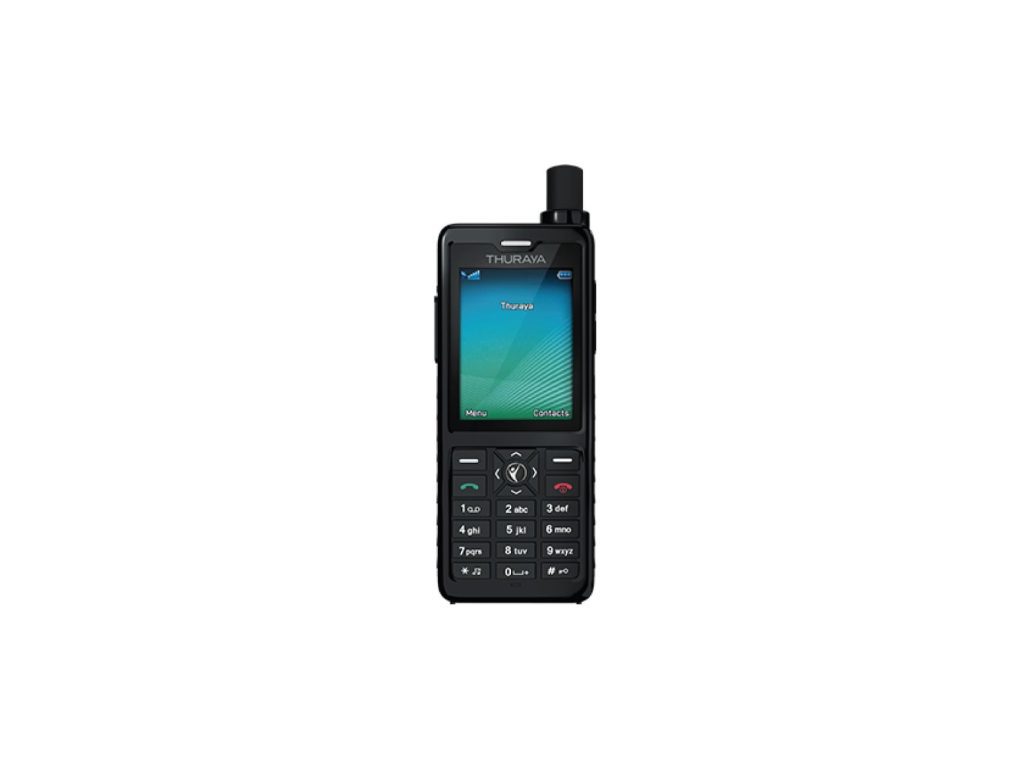

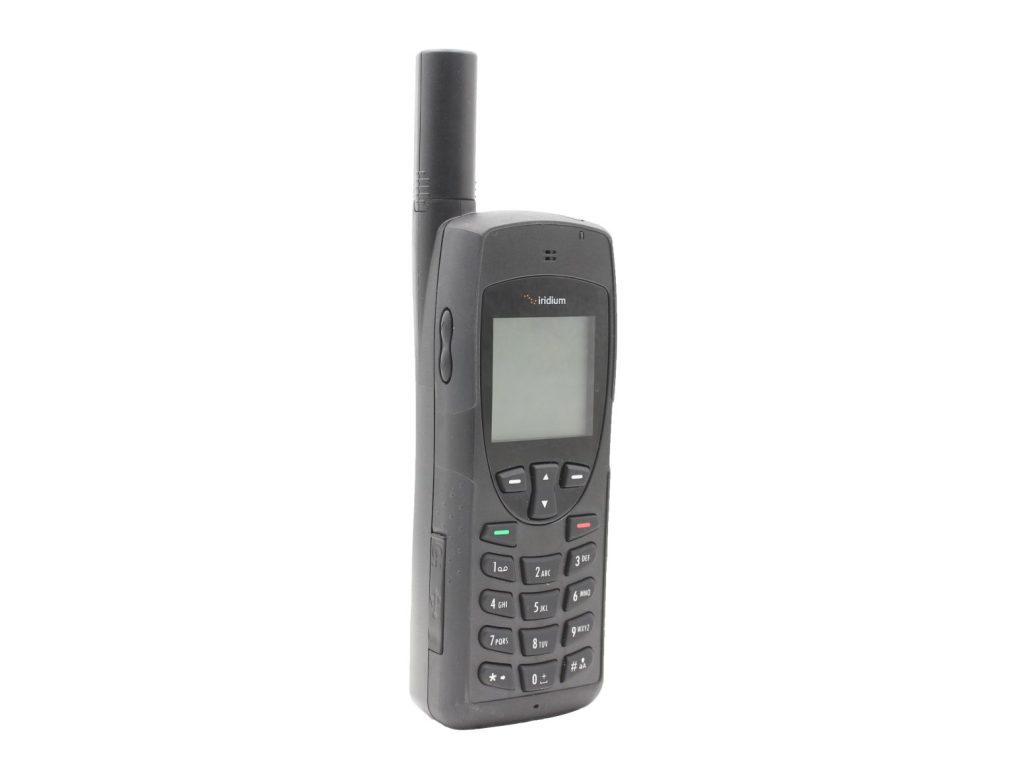

For maritime operators, coverage usually decides the category before price does. If a vessel crosses oceans or works high latitudes, the handset price becomes secondary to whether the network functions where the ship actually goes.
This is where budgets slip. Entry-level plans start from around £30 to £50 per month for a minimal bundle — enough to keep the SIM live with a handful of inclusive minutes. Realistic professional plans sit closer to £55 to £105 per month.
Prepaid suits occasional users. UK prepaid vouchers typically start around £145 for a 90-day bundle on a near-global network, rising to roughly £320 for an equivalent voucher on a fully global network. Annual prepaid bundles generally run between £470 and £775 depending on network and inclusive minutes.
A worked example makes the point. A handset at £900 on a £60 monthly plan costs roughly £1,620 in year one, then around £720 every year after. Across three years the total is about £3,060, of which airtime is around 70%. Any assessment of satellite phone costs that stops at the handset is missing most of the picture.
| Product type | Coverage | Typical handset range | Typical monthly airtime | Best suited to |
|---|---|---|---|---|
| Entry-level regional | Single regional footprint | £450–£700 | £30–£50 | Budget regional use within the footprint |
| Mid-range near-global | Near-worldwide, excluding poles | £600–£850 | £35–£70 | Coastal and offshore work, value-focused buyers |
| Fully global | Worldwide including poles | £900–£1,150 | £45–£95 | Ocean transits, high latitudes, regular professional use |
| Rugged and premium | Worldwide including poles | £800–£1,600 | £55–£105 | Harsh environments, SOS and tracking requirements |
Indicative sterling ranges excluding VAT. Airtime is priced in US dollars by the network operators and invoiced in sterling at the prevailing exchange rate.
Occasional and emergency use. A mid-range handset with prepaid airtime. Buy once, top up before each trip, pay nothing in between.
Regulatory restrictions. Several countries restrict or prohibit satellite phone use, and restrictions can be introduced at short notice. Check every jurisdiction your operation covers before you travel.
How much is a satellite phone?
Most professional handsets fall between roughly £450 and £1,600. The £650 to £1,150 band covers the models most buyers should realistically be considering.
Why do satellite phone airtime prices vary so much?
Networks price by coverage and inclusive minutes. Global polar coverage costs more than a regional footprint, and plans with generous inclusive minutes cost more than SIM-active minimums.
Is a cheaper handset a false economy?
Only if the network does not reach where you operate. A regional handset is excellent value inside its footprint and worthless outside it.
Can fleets reduce satellite phone costs?
Yes. Pooled airtime across multiple devices, annual rather than monthly commitments, and buying hardware and airtime together generally all reduce the effective per-unit cost.
Do satellite phones work indoors?
No. They require line of sight to the sky, which is why external antennas and docking stations are standard on vessels and in buildings.
Not sure which network suits you? Our satellite phone buying guide compares Iridium, Inmarsat and Thuraya handsets side by side, and how satellite phones work explains the networks behind them. You can also browse every handset we supply on our satellite phones page.
Published ranges are a starting point, not a quote. What you actually pay depends on the handset category, the airtime structure, the accessories your installation needs, and whether you are buying a single device or equipping a fleet.
AST Networks supplies satellite phones, airtime and accessories with 24/7 global technical support, and advises on which network genuinely suits your operating area rather than simply which handset costs least.
For a tailored quotation covering hardware, airtime and installation, contact the AST Networks team.
Ask an expert
Whether you are comparing networks, choosing equipment or checking what your vessel needs, our team will give you a straight answer. We usually reply within one working day.