SMM 2026: The Maritime Event not to be missed.
SMM 2026 is almost here, and this year we are heading to Hamburg with three important topics firmly on the agenda: LEO connectivity, resilient positioning, navigation, and timing, and maritime cybersecurity.
SMM has always been a place for the maritime industry to look ahead at emerging technologies, from shipbuilding and marine engineering to digitalisation, communications, and security. The event brings together the tech and people shaping the future of maritime operations.
For AST Networks, three areas stand out. How can vessels access the connectivity they need, wherever they voyage? How can operators maintain reliable positioning, navigation, and timing when GNSS/GPS cannot be relied upon? And how can connected vessels and networks be protected against growing cyber threats?
These are not isolated challenges, they are interconnected, and solving them requires a joined-up approach to maritime technology. At SMM 2026 we will be exploring all three.
Connectivity is a fundamental part of vessel operations. It supports everything from business-critical applications and cloud services to crew welfare, vessel monitoring, remote support, and operational communications. The demand is only increasing, and more reliable flexible connectivity solutions continue to grow.
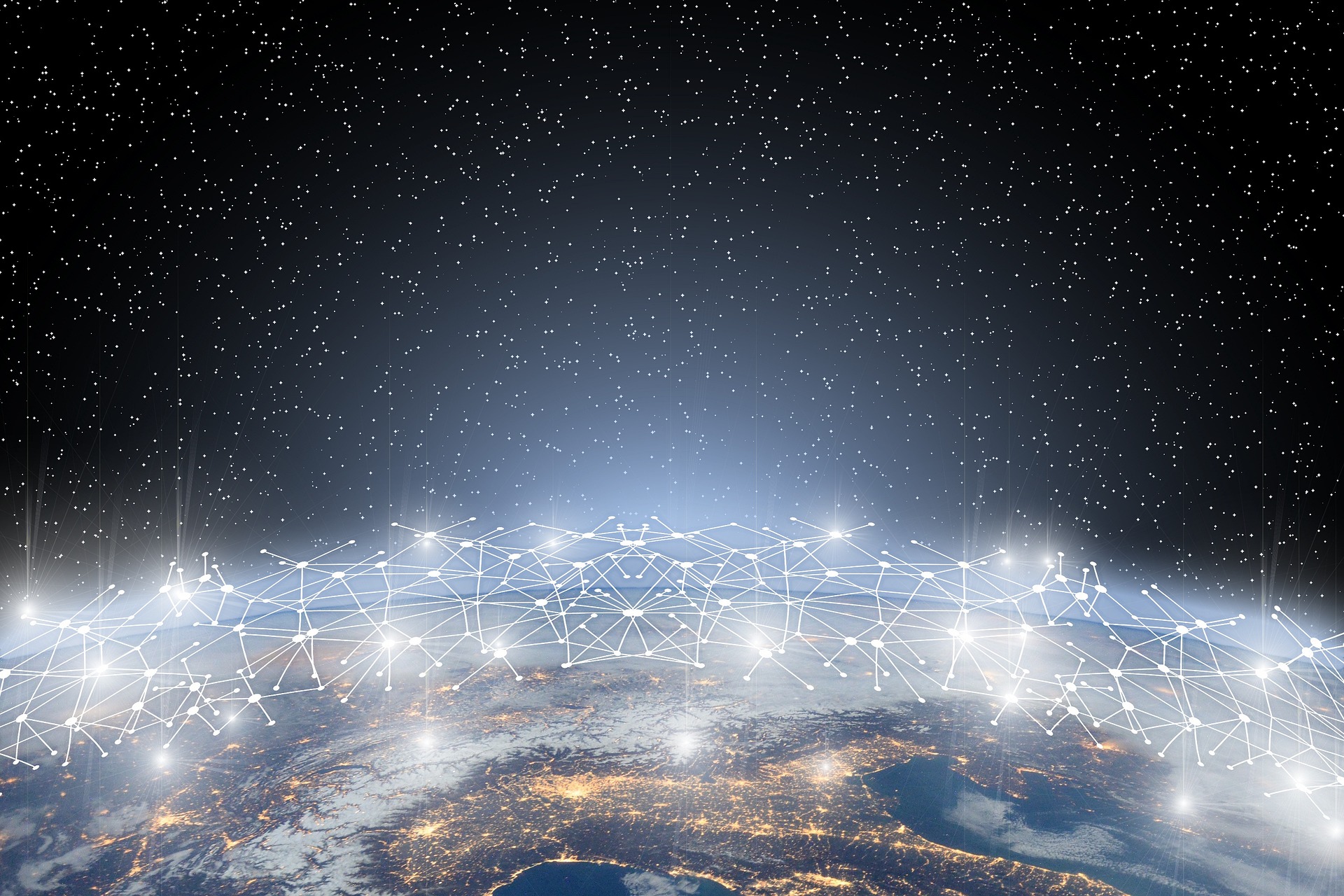
That is where LEO satellite connectivity changes the conversation. Eutelsat's OneWeb's Low Earth Orbit (LEO) constellation is designed to provide high-speed, low-latency connectivity across land and sea. For maritime operators, LEO can provide a powerful addition to existing connectivity technologies, particularly when combined with other satellite, cellular, and network services.
Phase2, takes that proposition further. With unlimited data plans and predictable monthly pricing, the focus moves beyond simply having satellite connection to what organisations can actually do with significantly more available bandwidth. For vessels, that could mean supporting more connected applications, improving the digital experience for crew, enabling greater use of cloud-based systems, and providing the capacity needed as onboard technology continues to evolve.
But the answer isn't necessarily to replace every other connection with LEO. For many, the future of maritime comms is hybrid. Connecting LEO solutions with other technologies, such as VSAT, Iridium Certus, and cellular can provide more flexibility and resilience, allowing connectivity to be managed according to location, application, availability, and operational requirements. That's where intelligent network management becomes important.
At SMM, we will be talking about what Phase2 could mean for maritime operators, along with how LEO can form part of a broader, resilient connectivity strategy.
Positioning, navigation and timing - or PNT - underpins an enormous amount of maritime activity. GNSS/GPS has become so fundamental to navigation and timing that it can be easy to forget how much it depends on it. But GNSS is vulnerable.
Jamming, spoofing, interference, and other forms of disruption can affect the availability or integrity of positioning and timing information. For vessels operating in increasingly complex environments, simply assuming that GNSS will always be available is not enough.
That's where Assured PNT (APNT) comes in. APNT brings together technologies and techniques designed to maintain reliable positioning, navigation, and timing when GNSS is degraded, disrupted, or unavailable. For maritime operators, APNT is about assured resilience and ensuring critical systems have access to the information they need to continue operating safely and effectively, even when the primary source of positioning or timing is compromised. The need for resilient PNT is becoming increasingly relevant across commercial maritime, offshore, government, and defence operations.
At SMM we will be exploring the changing PNT landscape and why alternative positioning, navigation, and timing are important considerations for vessel operators.
Connected vessels bring huge operational benefits, but they also bring a larger digital attack surface. As vessels rely on satellite connectivity, cloud services, remote monitoring, connected operational technology, and digital communications, cybersecurity can no longer sit separately from the overall connectivity strategy - it has to be firmly part of it.
A maritime cyber incident can have consequences far beyond the loss of an email service or onboard network, disruption to communications, navigation, operational technology, or critical onboard systems can affect safety, operations, and business continuity. That makes maritime cybersecurity a fundamental part of resilient vessel connectivity.
For operators, the challenge is finding the right balance between accessibility and protection: providing crews and shore-based teams with connectivity they need, whilst controlling access, protecting networks, and monitoring potential threats. It also means thinking about the whole connectivity ecosystem.
A secure vessel network is more than putting a firewall at the edge, it requires consideration of network architecture, access controls, segmentation, monitoring, remote access, devices, users, and the wider systems connected to the vessel.
At AST Networks, we're increasingly seeing connectivity, networking, and cybersecurity as part of the same conversation. Because a connected vessel needs to be a resilient vessel.
LEO connectivity, APNT and cybersecurity might sound like three very different subjects, but there is a common theme: resilience. Maritime operations depend on sophisticated digital infrastructure and connectivity needs to be available at all times, positioning and navigation need to be trusted, and networks protected. Increasingly these requirements cannot be considered independently.
Maritime connectivity isn't just about having faster satellite connections, it's about creating a reliable infrastructure that is available, resilient, secure, and fit for purpose - not only for today, but for whatever might evolve next.
That's the conversation we're bringing to SMM 2026.
We'll be in Hamburg throughout SMM 2026, meeting customers, partners, and industry colleagues talking about the technologies shaping the future of maritime operations.
On Wednesday 2 September we will be hosting an informal evening event at the Mövenpick Hotel Hamburg CAVE Bar, bringing together customers, partners, and industry peers.
The evening will be relaxed, with food and drink, and plenty of time to carry on the conversations from the day. Are you heading to Hamburg? Let us know if you would like to join us for our evening event: info@ast-networks.com
Contact us today:: Expert Global Connectivity Support | Contact AST Networks
Ask an expert
Whether you are comparing networks, choosing equipment or checking what your vessel needs, our team will give you a straight answer. We usually reply within one working day.