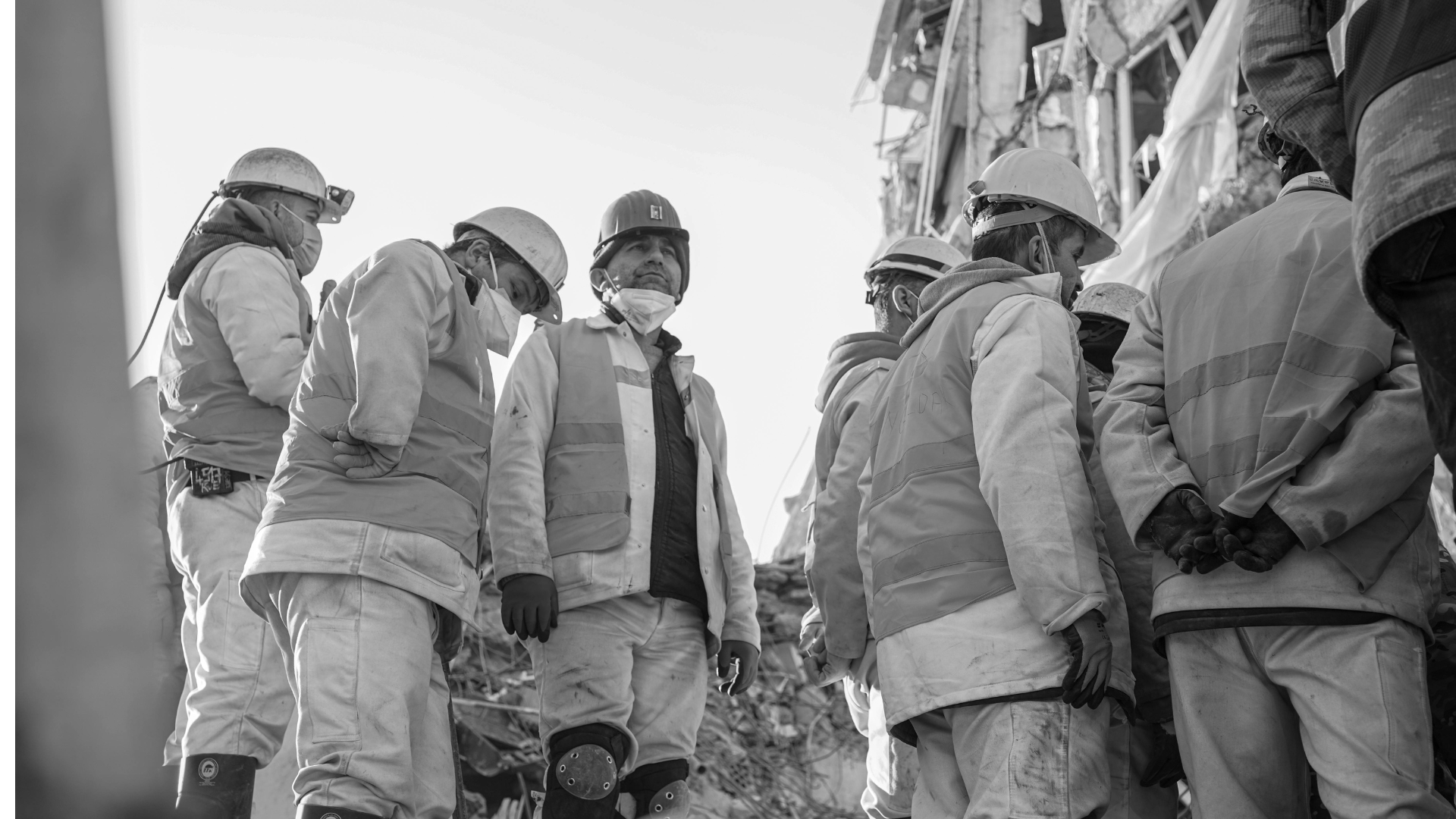
Crisis response depends on fast, reliable communication, particularly when traditional networks have been damaged or overwhelmed. Effective crisis response requires organisations to maintain secure connectivity that enables emergency teams, decision-makers and field personnel to coordinate without interruption.
Whether responding to natural disasters, humanitarian emergencies, infrastructure failures or security incidents, maintaining reliable connectivity is essential for coordinating teams, sharing information and making critical decisions. Traditional communication networks can quickly become overwhelmed or damaged, leaving emergency responders without the tools they need.
This is where crisis response communications powered by satellite hardware play a vital role. Satellite technology provides dependable, independent connectivity that continues to operate even when terrestrial infrastructure is unavailable. For organisations responsible for emergency preparedness and disaster recovery, investing in robust satellite communications is a crucial part of any crisis response strategy.
Effective crisis response depends on fast, accurate communication between multiple teams operating in challenging environments. Emergency services, NGOs, government agencies and commercial organisations all require secure methods of exchanging information, regardless of local conditions.
Unlike mobile networks or fixed-line infrastructure, satellite communications operate independently of ground-based systems. This allows teams to establish reliable voice and data connections almost anywhere in the world, even in remote or disaster-affected locations.
Satellite hardware enables organisations to:
Having dependable communications available from the outset significantly improves the speed and effectiveness of any crisis response operation.
Selecting appropriate equipment is essential when planning for crisis response scenarios. Different emergencies require different capabilities, and organisations should consider mobility, bandwidth requirements, deployment speed and environmental conditions before making a decision.
Portable satellite terminals are ideal for rapid deployment and temporary operations. They can be transported easily and set up within minutes, making them particularly valuable for first responders arriving on-site.
Vehicle-mounted satellite systems provide enhanced connectivity for mobile command centres and emergency vehicles, enabling continuous communication while teams remain on the move.
Fixed satellite installations are often used as part of business continuity plans, ensuring that critical facilities can maintain communications even if terrestrial services become unavailable.
Modern satellite hardware is also becoming increasingly user-friendly, requiring minimal technical expertise to deploy. This allows organisations to establish communications quickly, reducing delays during time-sensitive crisis response situations.
Technology alone is only one part of an effective emergency strategy. Organisations should incorporate satellite communications into wider business continuity and disaster recovery planning.
A comprehensive crisis response communications plan should identify likely risks, establish clear communication procedures and ensure staff understand how and when satellite equipment should be deployed.
Regular testing is equally important. Equipment should be maintained, batteries charged, software updated and users trained through realistic emergency exercises. Familiarity with satellite hardware before an incident occurs can significantly reduce response times when every minute counts.
It is also important to review communication requirements regularly, particularly as organisations expand into new regions or face evolving operational risks.
Satellite communications support a wide range of sectors where uninterrupted connectivity is essential.
Emergency services rely on satellite hardware to maintain operational command during floods, storms and major incidents.
Humanitarian organisations use portable satellite terminals to coordinate relief efforts in areas where local infrastructure has been destroyed.
Utility providers deploy satellite communications to restore essential services following severe weather events or widespread power outages.
Construction, mining and energy companies often integrate satellite hardware into their business continuity planning to protect remote operations against unexpected disruptions.
Government departments also depend on satellite technology to support national resilience and ensure continuity of essential public services during emergencies.
Across each of these sectors, dependable crisis response communications help organisations maintain control, protect personnel and restore operations more efficiently.
The frequency and complexity of disruptive events continue to increase, making resilient communications more important than ever. Climate-related disasters, cyber threats and infrastructure failures all highlight the need for independent communication systems that remain operational under difficult conditions.
Advances in satellite technology now provide faster speeds, improved reliability and more flexible deployment options than ever before. Low Earth Orbit (LEO) satellite networks, alongside established geostationary services, are expanding the possibilities for organisations seeking highly resilient connectivity.
By incorporating satellite hardware into a wider resilience strategy, businesses and public sector organisations can strengthen their ability to respond effectively when conventional communications fail.
Preparing for emergencies requires more than simply purchasing equipment - it requires expert advice, tailored solutions and ongoing support. At AST Networks, we help organisations design and implement satellite communication systems that meet their specific operational requirements.
From portable terminals and vehicle-mounted systems to fixed installations and fully managed satellite connectivity, our solutions are built to support reliable crisis response communications wherever they're needed.
Whether you're strengthening your business continuity plans or preparing for large-scale emergency operations, AST Networks can provide the satellite hardware and expertise needed to keep your teams connected when it matters most.
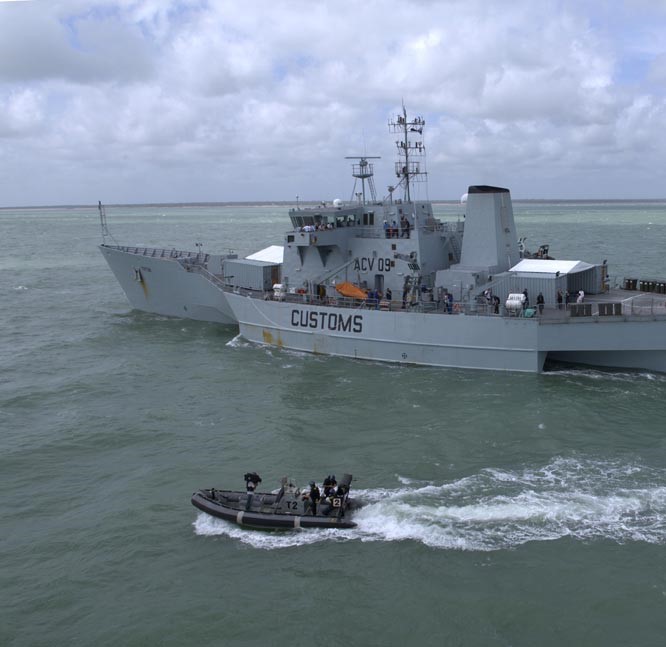
Don't forget to visit our sister company, AST Reyar: www.ast-reygar.com
Ask an expert
Whether you are comparing networks, choosing equipment or checking what your vessel needs, our team will give you a straight answer. We usually reply within one working day.