SAILOR
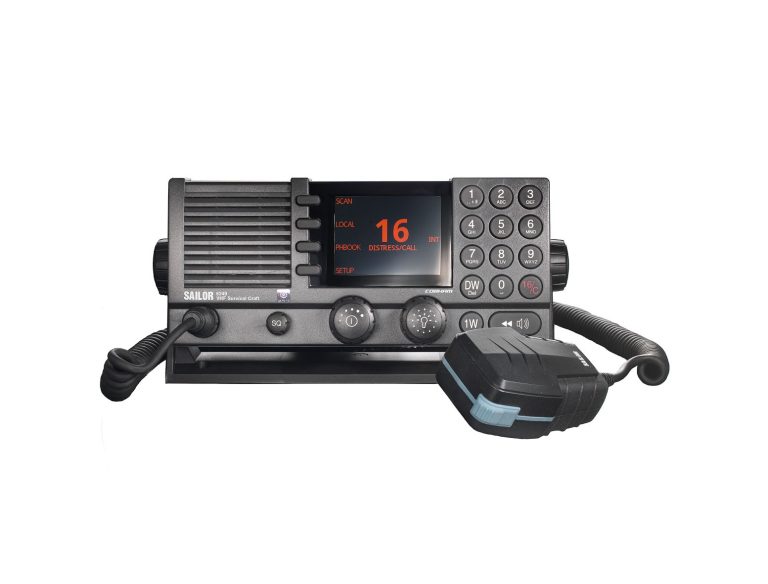

When navigating the vast expanse of the world’s oceans, reliable communication is crucial. Whether coordinating commercial shipping routes, contacting emergency services, or staying connected to shore, maritime radio channels remain critical for safe and efficient marine operations. At AST Networks, we understand the complexities of maritime communication and are dedicated in supporting vessels globally with cutting-edge solutions and reliable connectivity.
In this blog, we will break down the essentials of maritime radio channels, how they work, and how you can ensure optimal use for safety, compliance, and efficiency.
Maritime Radio Channels are designated VHF (Very High Frequency) radio frequencies specifically allocated for communication at sea. These frequencies are regulated internationally by the International Telecommunication Union (ITU) and vary depending on the purpose – be it safety, navigation, or commercial communication.
VHF maritime radios typically operate between 156 and 174 MHz, offering short-range line-of-sight communication. This makes them ideal for ship-to-ship and ship-to-shore contact within 20-30 nautical miles, depending on conditions and antenna height.
Understanding which channels serve which purpose is vital for maintaining regulatory compliance and ensuring crew safety. Here are some of the most critical maritime radio channels:
Used exclusively for Digital Selective Calling (DSC), a key feature in the Global Maritime Distress and Safety Systems (GMDSS). DSC allows ships to send automated distress alerts or routine calls with location data.
Despite the growth of satellite communication, VHF radio remains essential due to its immediacy and simplicity. In emergency situations, a quick VHF transmission on channel 16 can mean the difference between a safe rescue and a critical delay.
Maritime Radio Channels are also invaluable for:
At AST Networks, we often integrate VHF systems with our advanced satellite communications solutions for a seamless blend of local and global coverage – ideal for commercial fleets and offshore operations.
We are a global leader in maritime communication, offering end-to-end solutions for vessels operating in the world’s most remote waters. From VHF radio systems to satellite internet and managed services, we provide robust, secure, and scalable solutions that keep crews stay connected, and safe.
We also offer consultancy and training on the GMDSS compliance, ensuring your fleet meets international standards for distress communication and interoperability. Whether you need a standalone VHF system, or fully integrated bridge solution, our team can tailor a solution to suit your operational requirements.
To make the most of your maritime radio channels, consider the following best practices:
Maritime radio channels are the backbone of communication at sea, vital for safety, coordination, and regulatory compliance. As a trusted partner in global maritime communications, AST Networks is here to support your operations with reliable radio systems, expert advice, and integrated solutions that keep your crew safe and connected, no matter where in the world your voyage takes you.
Looking to upgrade your maritime communications? Contact AST Networks for expert advice on VHF systems, GMDSS compliance, and integrated communication solutions tailored to your fleet.
For more information on remote asset management and asset monitoring visit www.ast-reygar.com
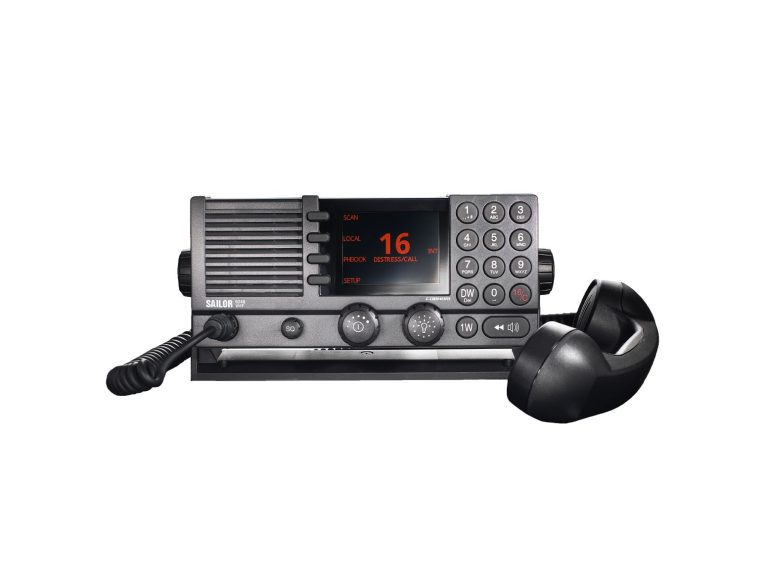
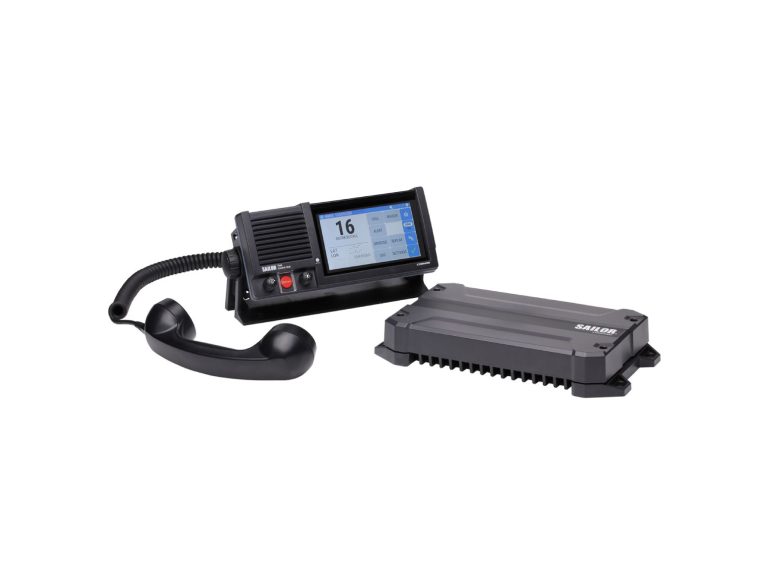
Equipment we supply for the connectivity covered above. Each product page has a downloadable product sheet.
Ask an expert
Whether you are comparing networks, choosing equipment or checking what your vessel needs, our team will give you a straight answer. We usually reply within one working day.