
SAILOR
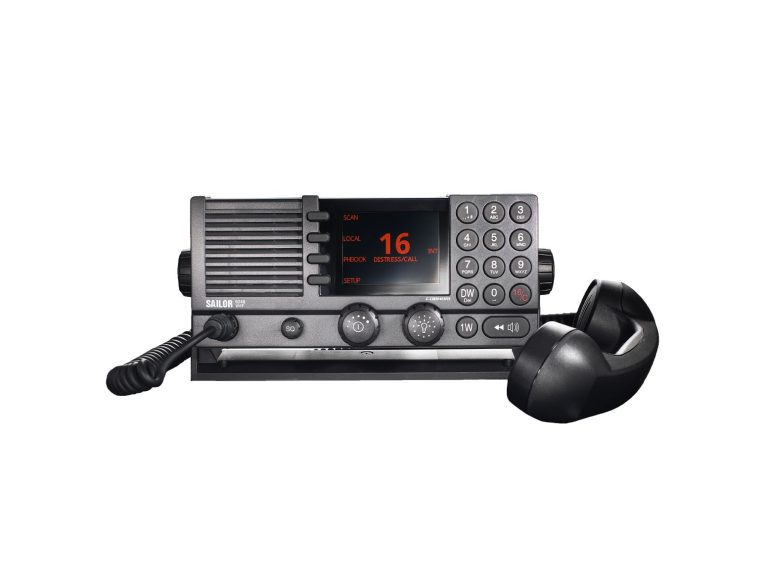

Short answer: ships communicate at sea by radio for short and medium range, and by satellite once they are beyond the range of shore-based radio. On top of voice and data, they broadcast their identity and position automatically through AIS, and carry dedicated distress equipment under the Global Maritime Distress and Safety System (GMDSS). Flags, lights and sound signals are still used between ships in sight of each other.
Marine VHF is the workhorse of communication at sea. It is used to talk to other ships, port control and the coastguard, and Channel 16 is the international distress, safety and calling channel. VHF is line of sight, so range depends on antenna height and is typically a few tens of miles. Digital Selective Calling (DSC) on Channel 70 lets a radio send a distress alert with the ship’s identity and position at the press of a button. Our marine VHF radio buying guide explains the choices.
Beyond VHF range, ships use medium frequency (MF) and high frequency (HF) radio. MF reaches a few hundred miles, and HF signals bounce off the ionosphere to cover far greater distances. Both carry voice and DSC alerts, and HF also carries narrow-band data.
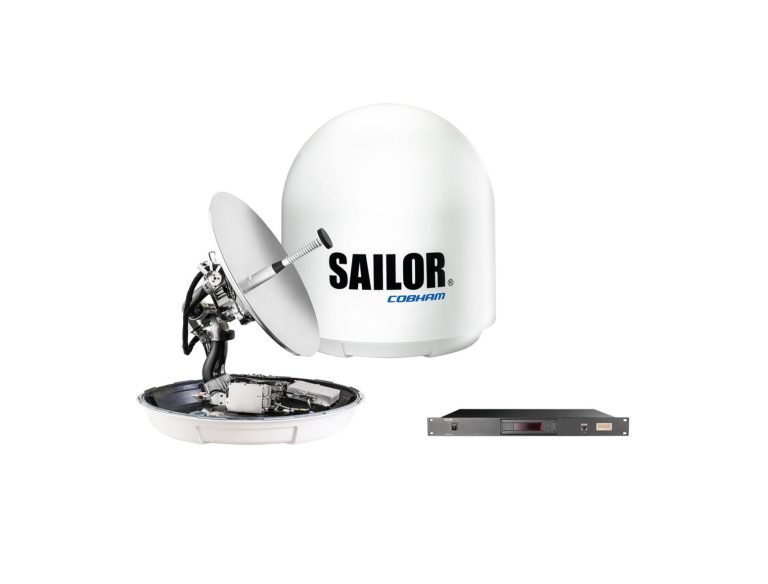
Satellites are how ships stay connected far from shore. Services fall into three groups:
Our guide to maritime satellite communications compares the options by vessel type, and LinkBox can route traffic across several links automatically.
The Global Maritime Distress and Safety System sets out the communication equipment ships must carry depending on the sea areas they sail in, from coastal VHF coverage (Sea Area A1) to the polar regions (A4). It brings together DSC radio, satellite distress alerting, NAVTEX safety broadcasts, EPIRBs and survival craft equipment. Our GMDSS guide explains the sea areas and the 2024 changes.
When ships are in sight of each other, traditional methods still matter: signal flags, navigation lights, sound signals and signal lamps. They are a backup that needs no network.
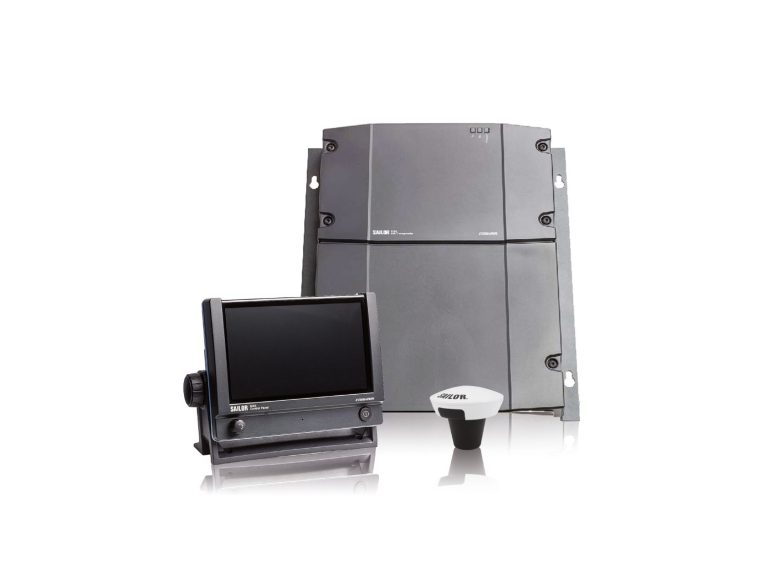

AST Networks supplies, installs and supports maritime radio, satellite and GMDSS equipment worldwide, with a 24/7 support team. Talk to us about the right setup for your vessels.


 EN
 ES